Displacement Dependent Dampers
Displacement-dependent products that dissipate seismic energy through controlled deformation of steel, friction, or composite mechanisms.
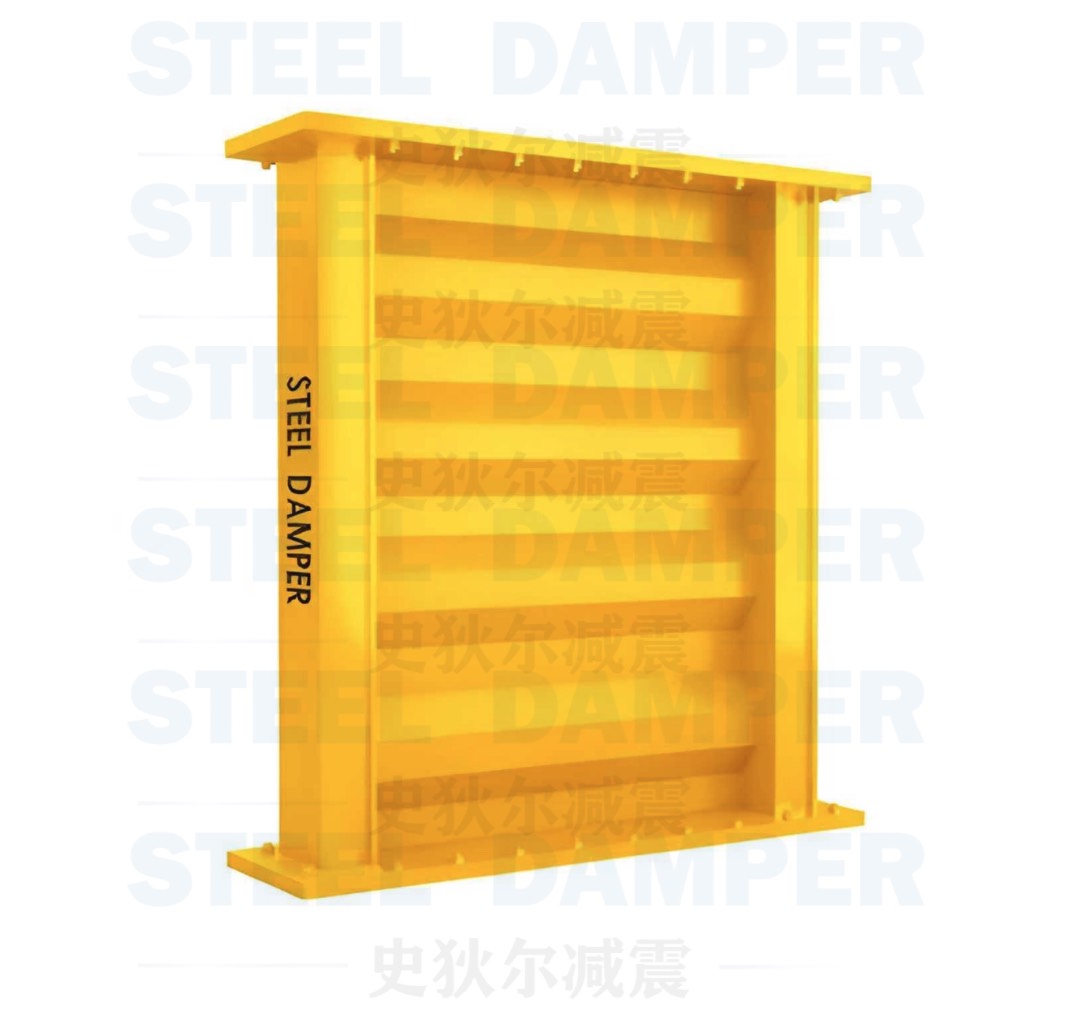
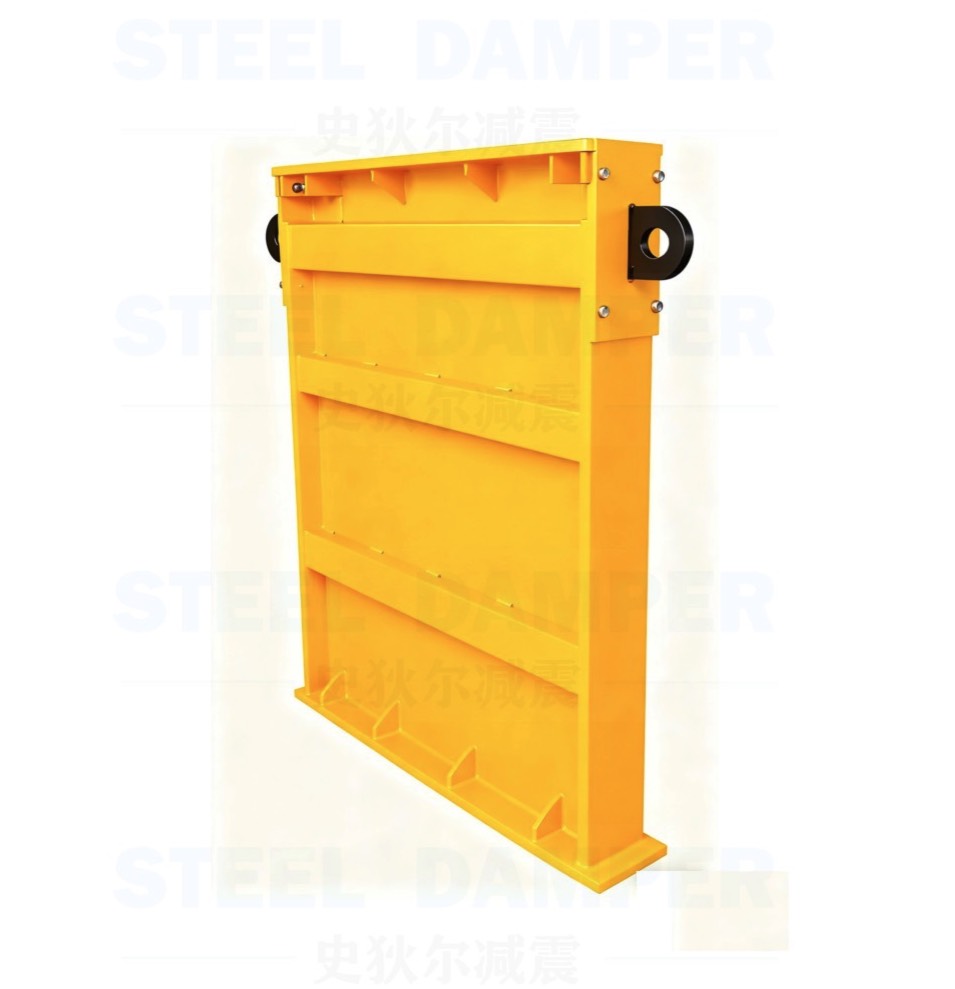
Corrugated Steel Wall (CSW)
CSW combines load bearing and energy dissipation with corrugated steel plates, lightweight installation, and strong hysteretic performance.
Learn more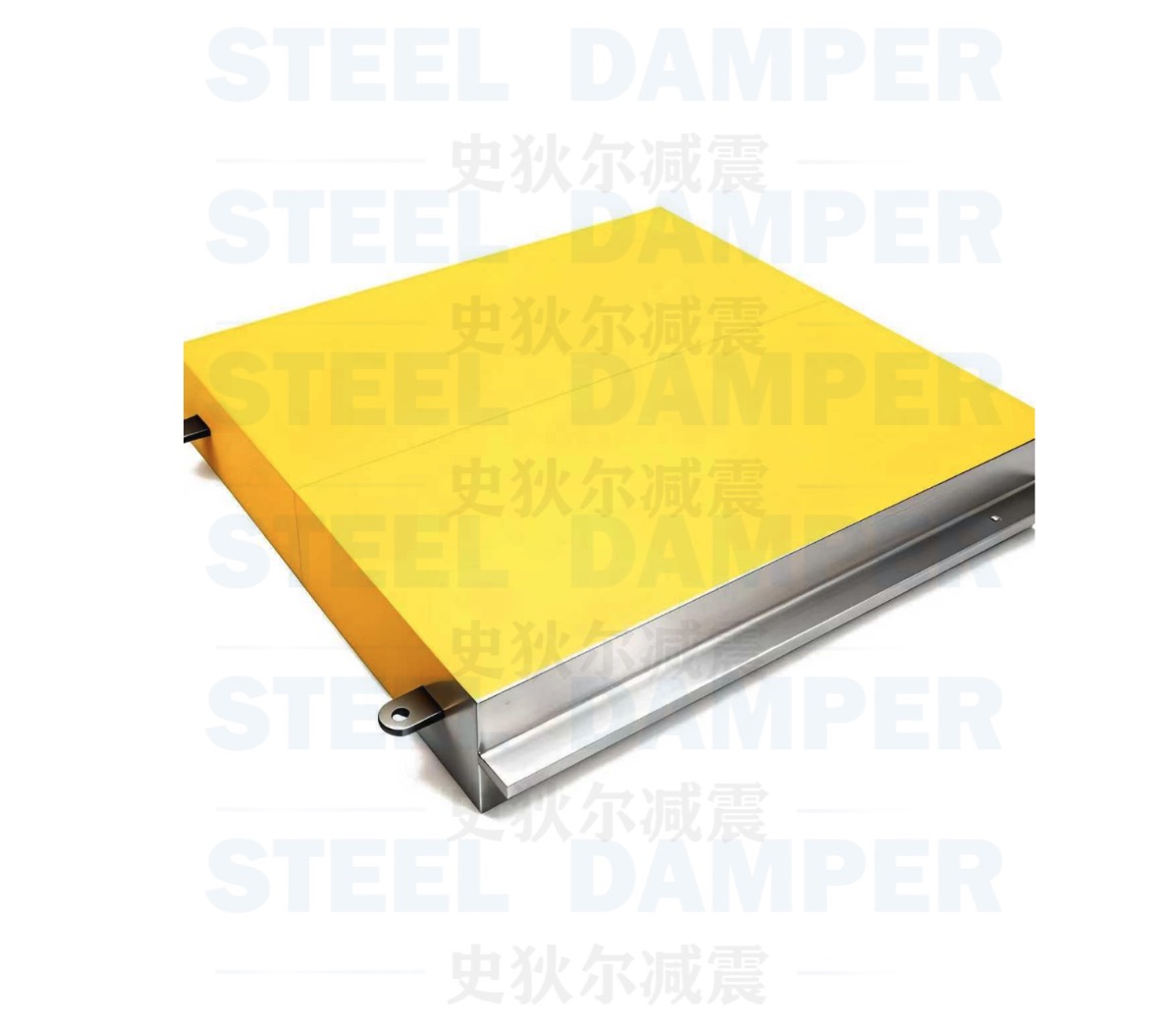
Buckling Restrained Wall (BRW)
BRW uses restrained energy-dissipating steel plates to provide high lateral stiffness and stable performance in moderate and major earthquakes.
Learn more
High-Stiffness Steel Wall (HSSW)
HSSW combines external steel plates with infilled concrete to deliver high lateral stiffness, reliable load-bearing capacity, and resilient energy dissipation.
Learn more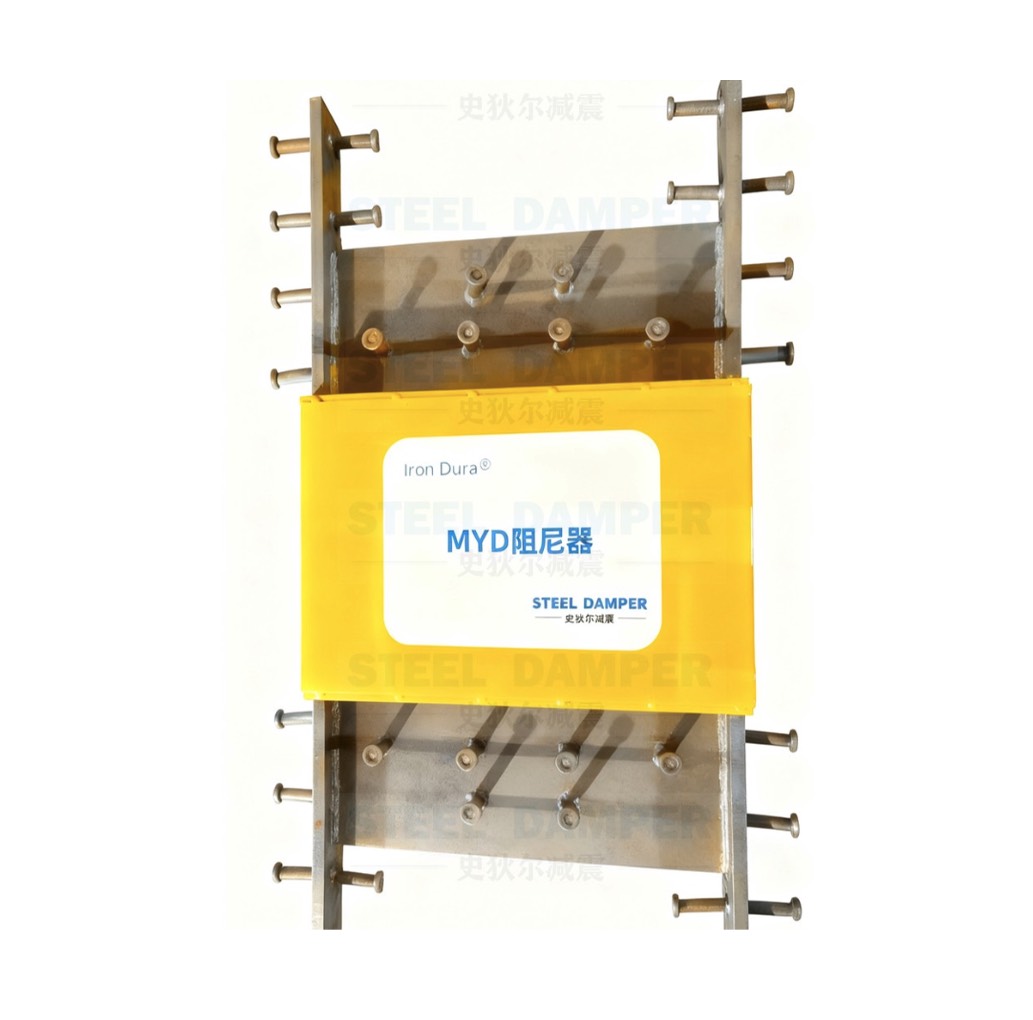
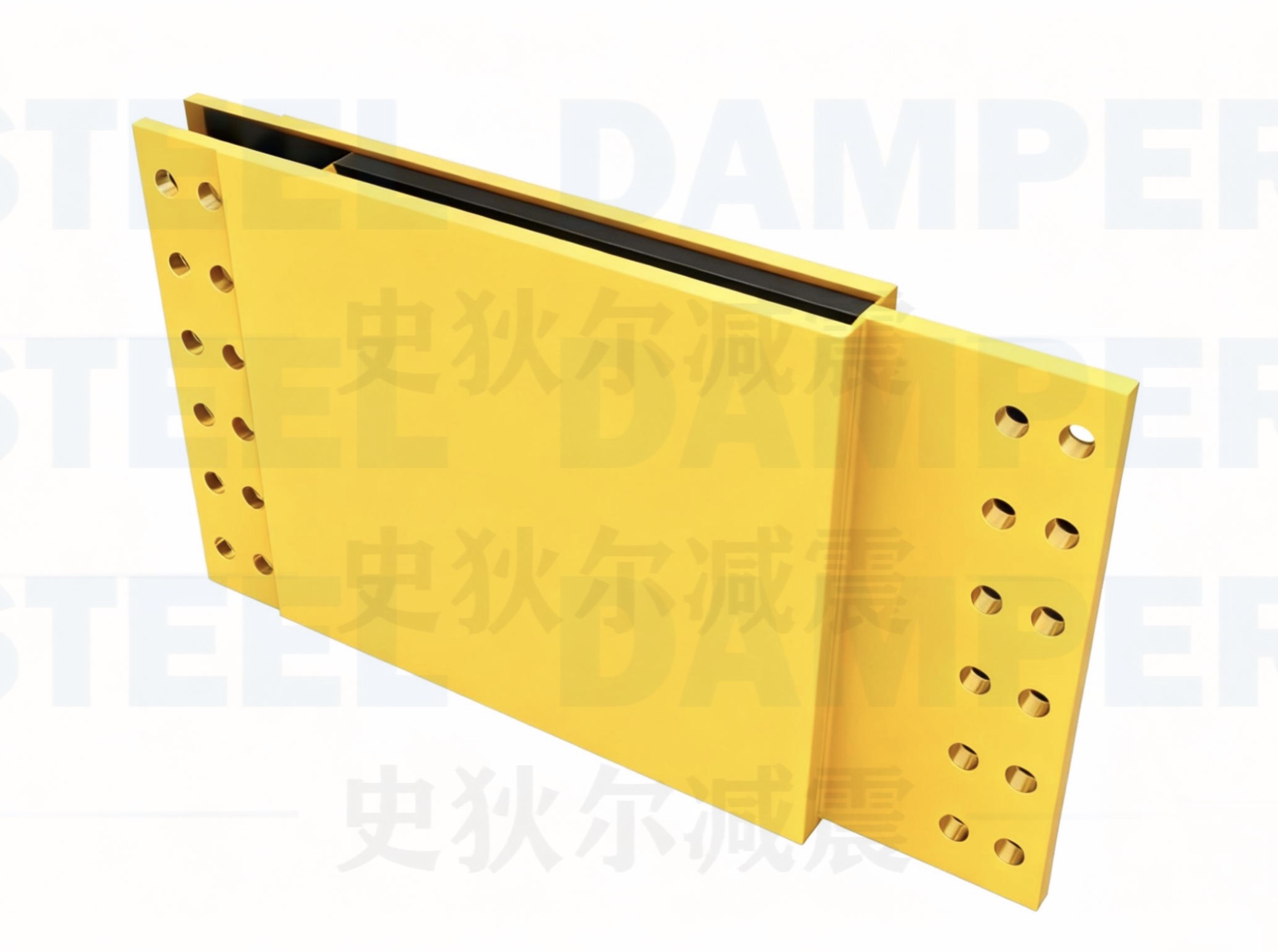
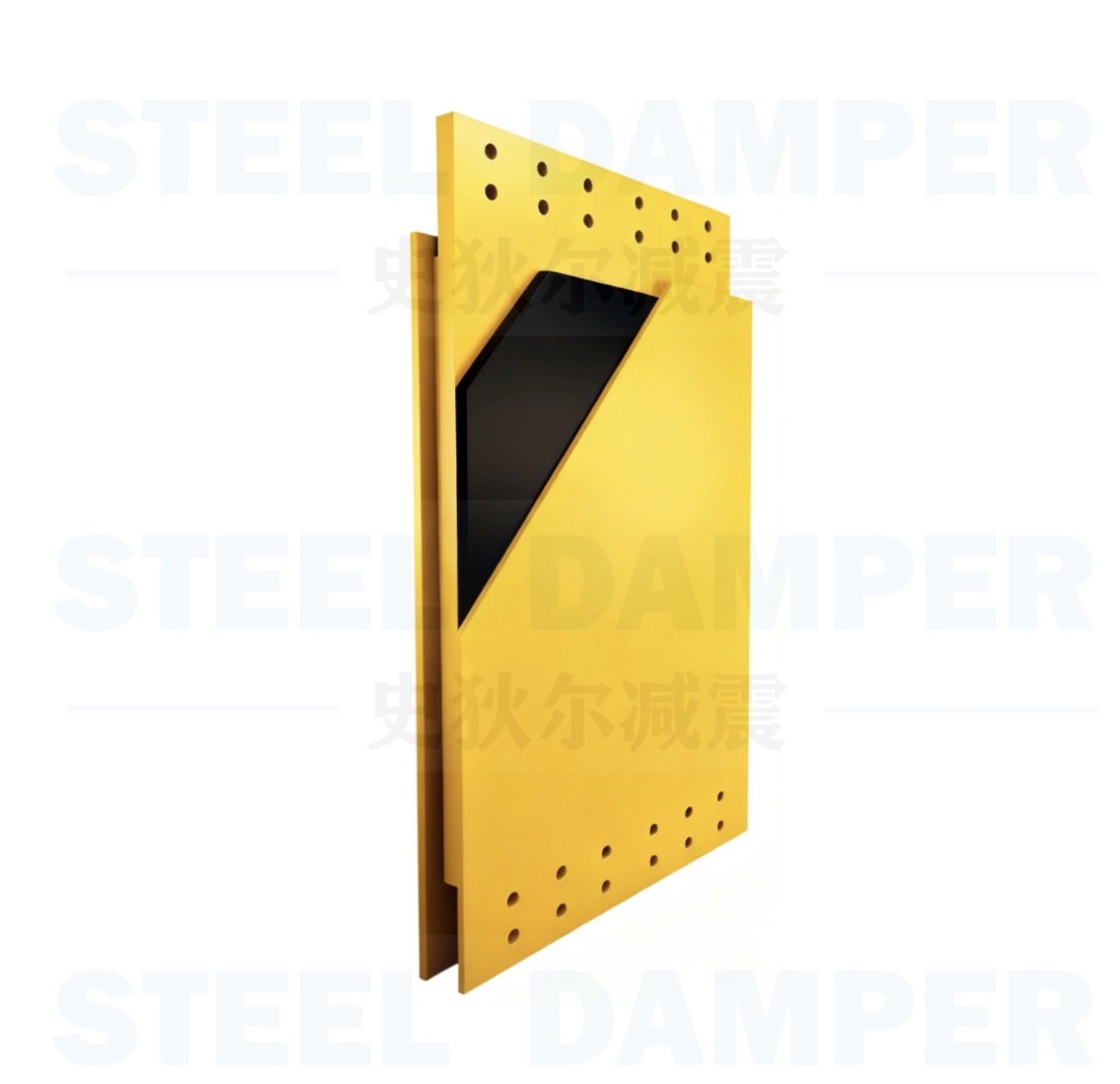
Shear Metal Yield Damper (MYD-V)
MYD-V uses in-plane shear yielding of steel plates, with small yield displacement, compact layout, and easy replacement after major earthquakes.
Learn more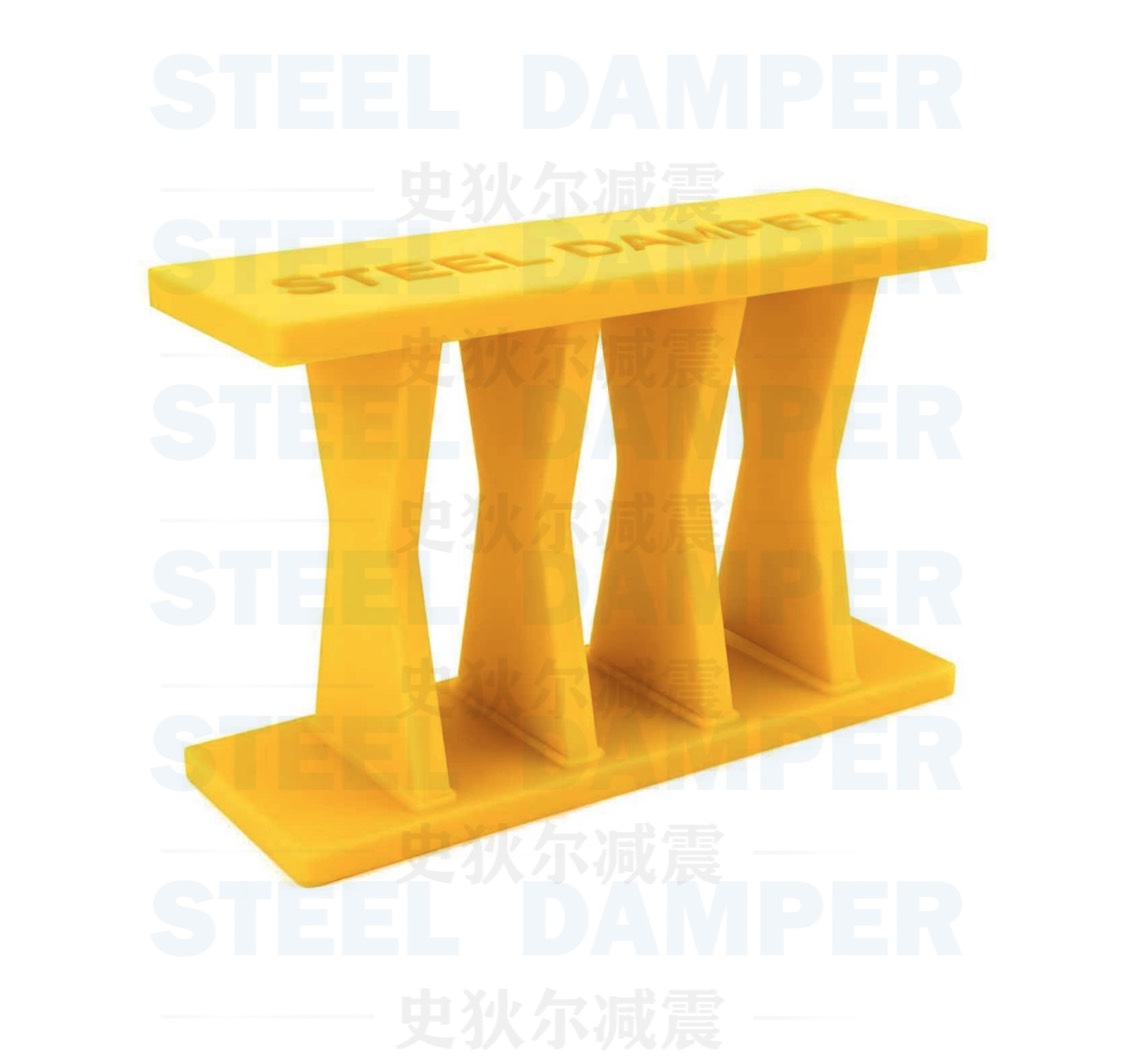
Curved Metal Yield Damper (MYD-M)
MYD-M dissipates seismic energy through bending plastic deformation of low-yield-strength steel, with wall-type and brace-type connections.
Learn more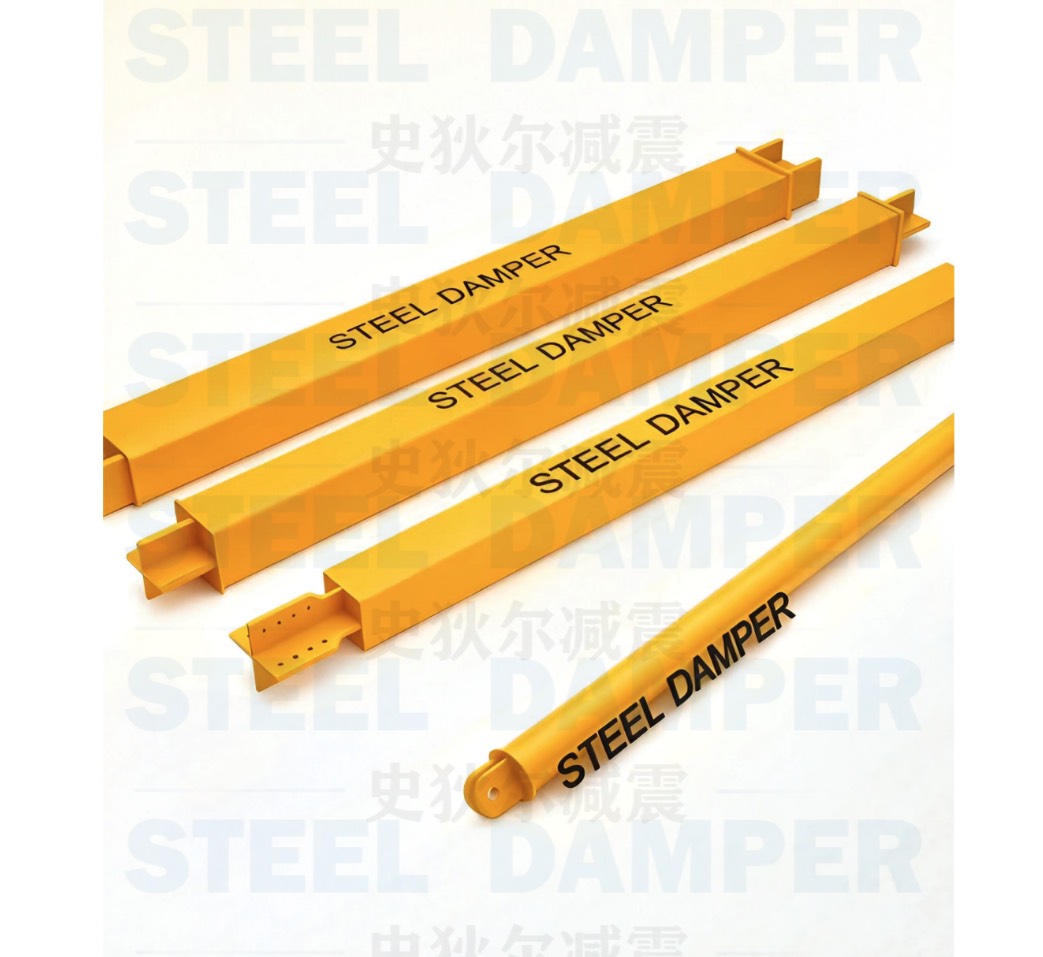
Buckling Restrained Brace (BRB)
BRB combines structural bracing and energy dissipation, restraining the core plate so it yields stably in both tension and compression.
Learn more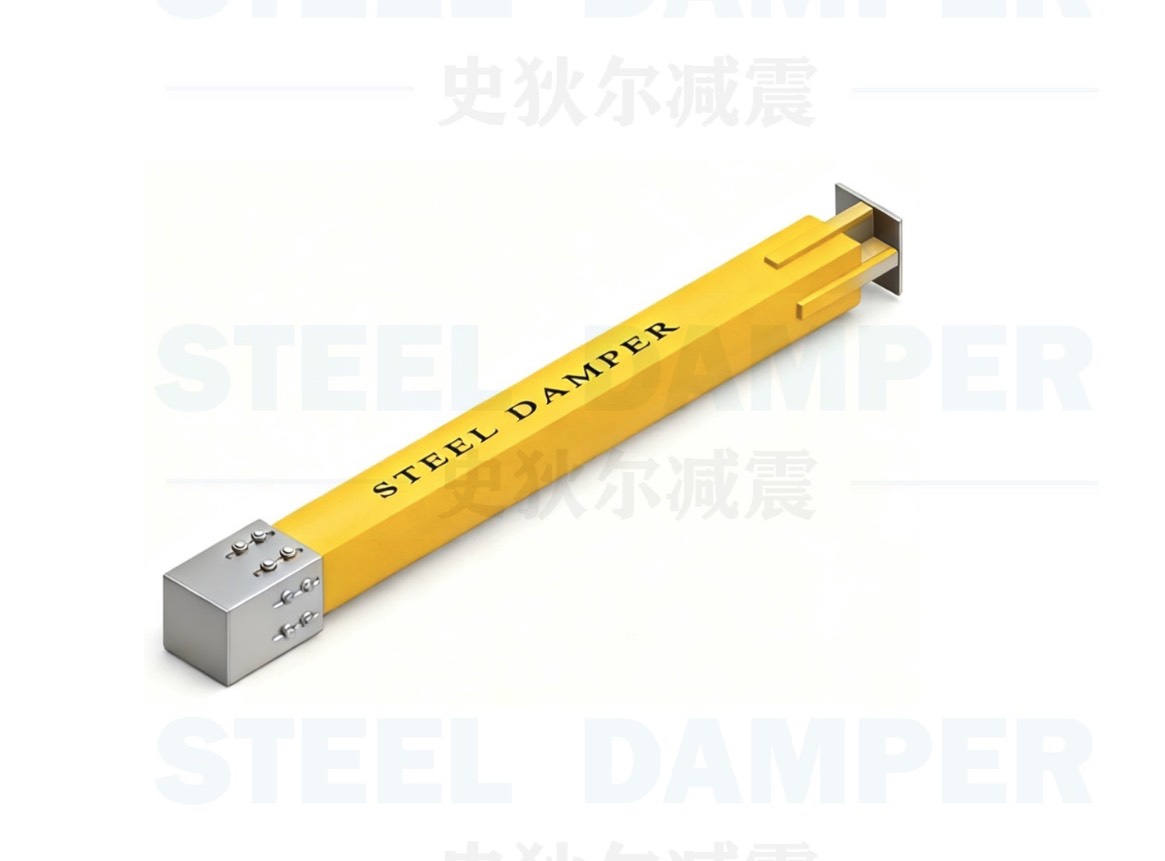
Two-level BRB (DBRB)
DBRB provides staged energy dissipation, with first-stage damping for small earthquakes and BRB yielding for stronger events.
Learn more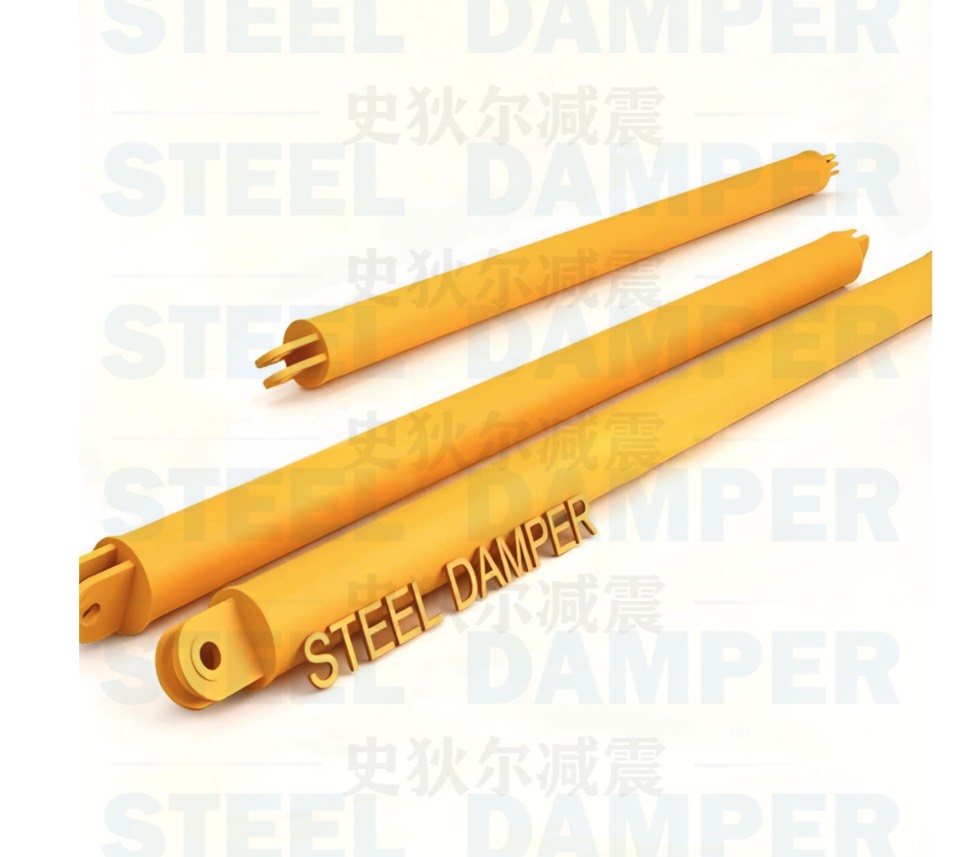
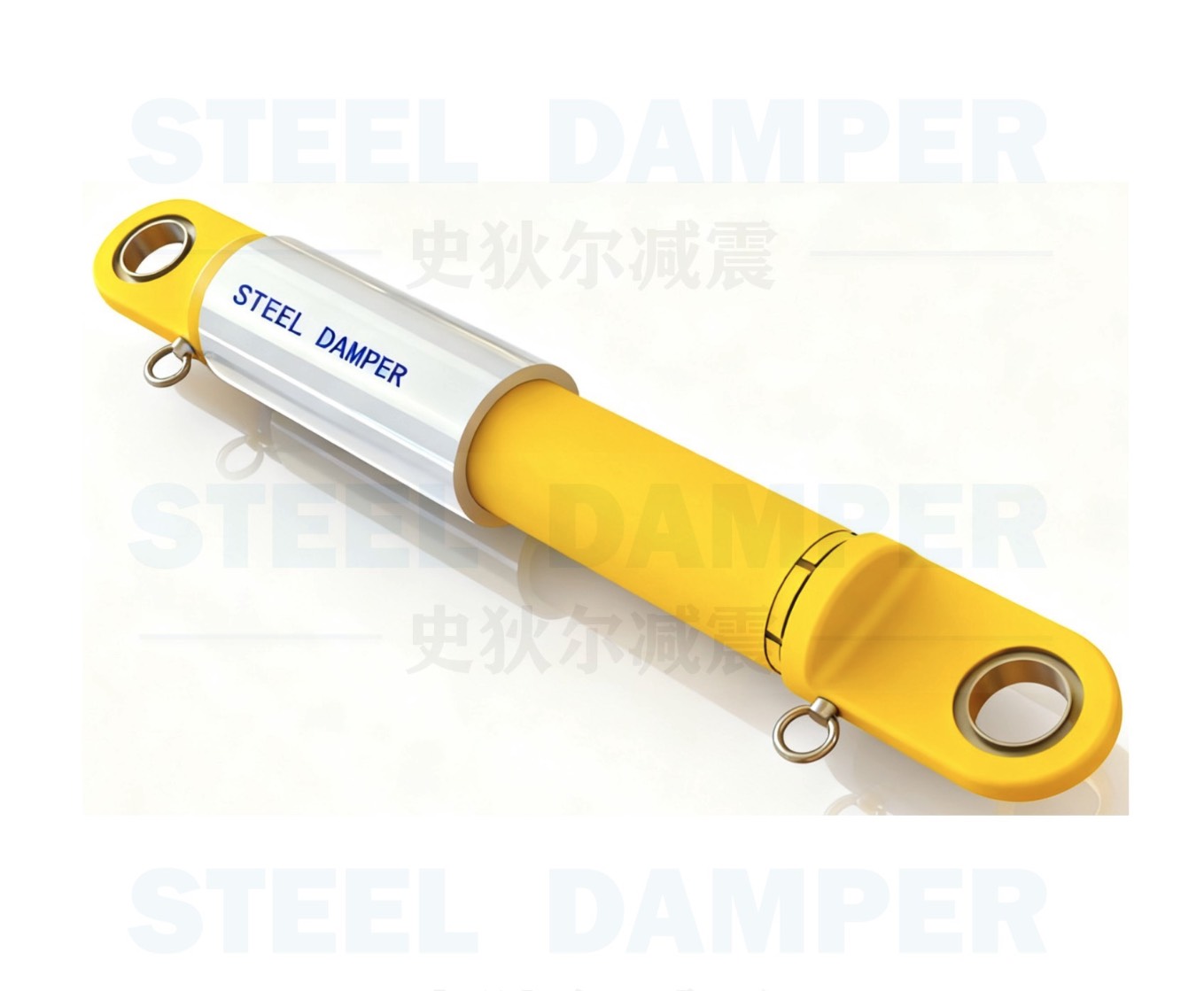
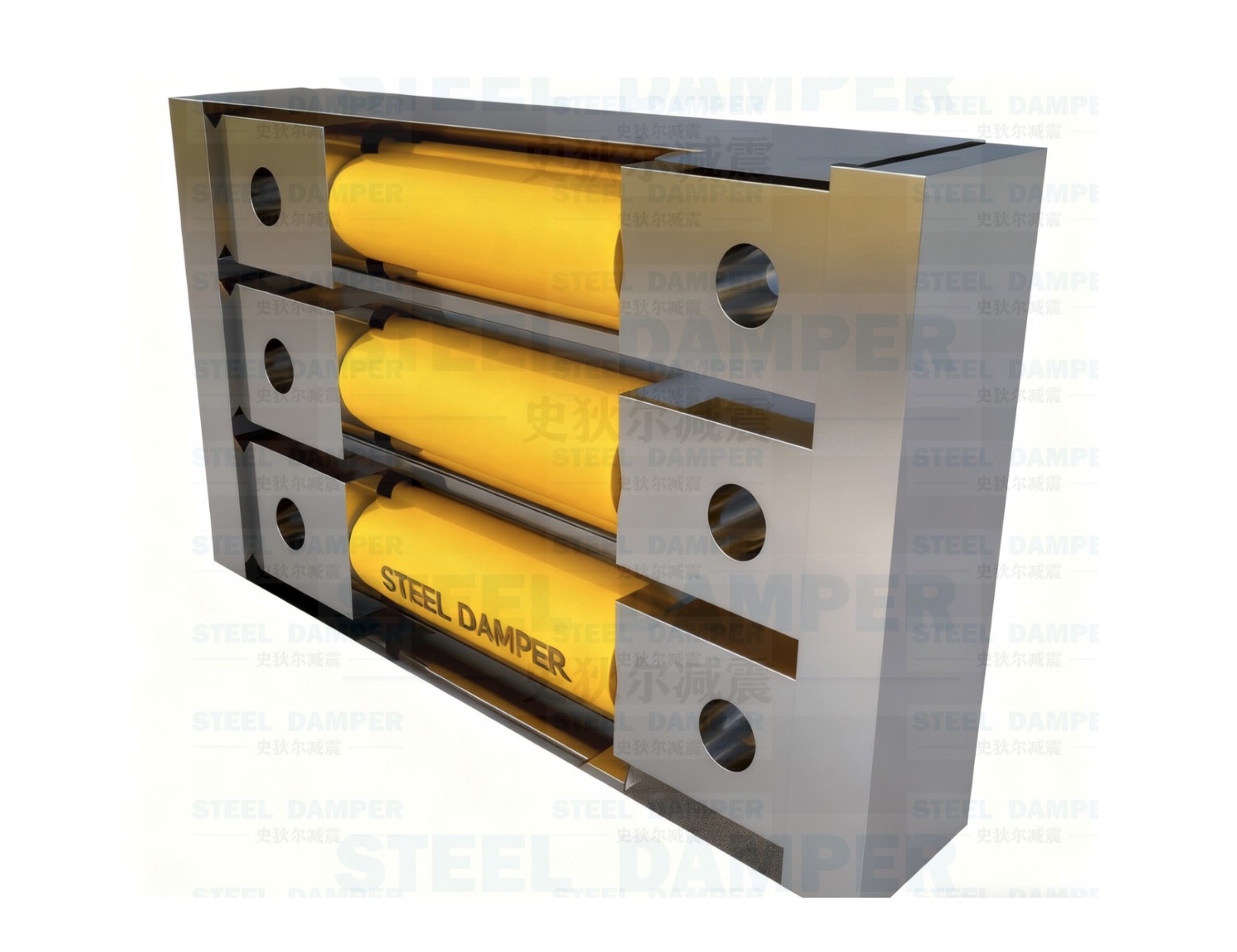
Axial Metal Yield Damper (MYD-A)
MYD-A dissipates energy through axial tension-compression yielding of low-yield-strength steel, with stable performance and simple maintenance.
Learn more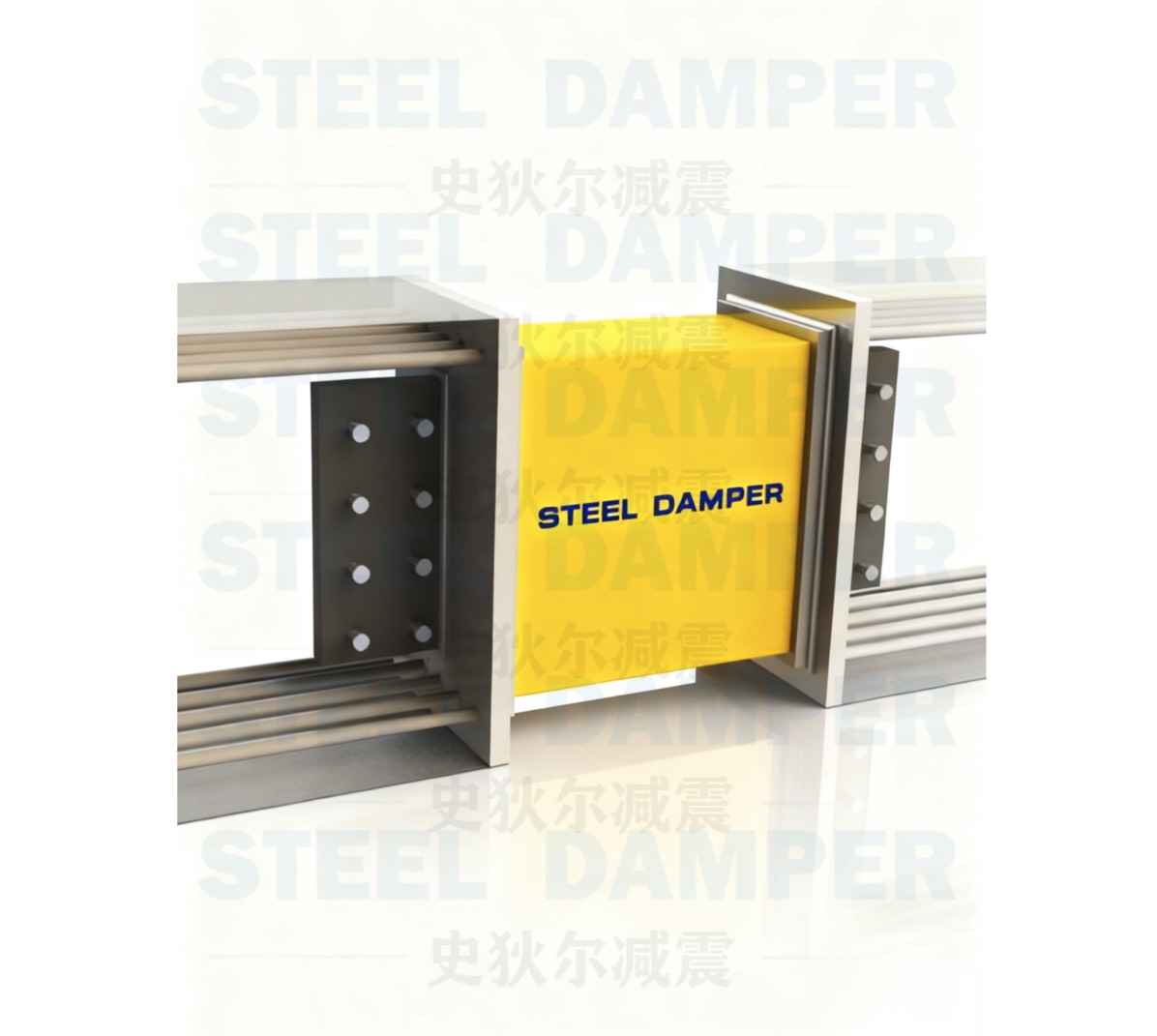
Coupling-beam Damper (CBD)
CBD replaces conventional coupling beams, improving ductility and energy dissipation while keeping yield capacity controllable.
Learn more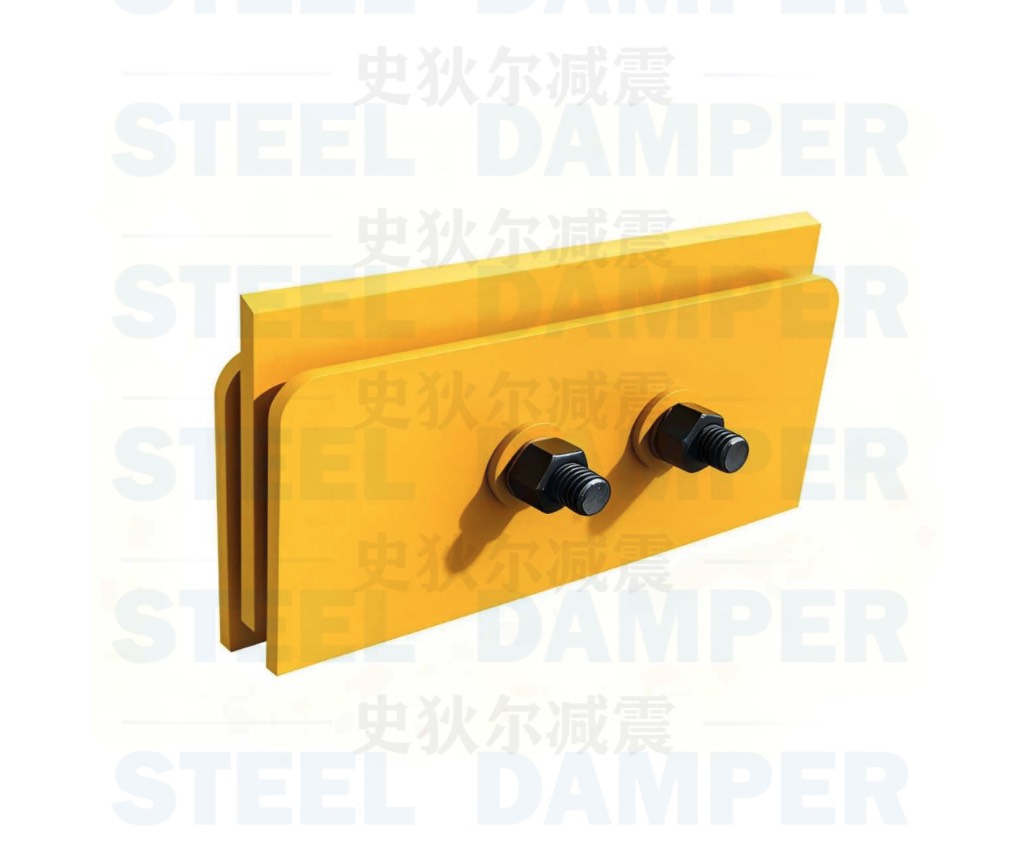
Sliding Friction Damper (SFD)
SFD dissipates energy through frictional sliding, providing additional service stiffness and strong damping under moderate and major earthquakes.
Learn more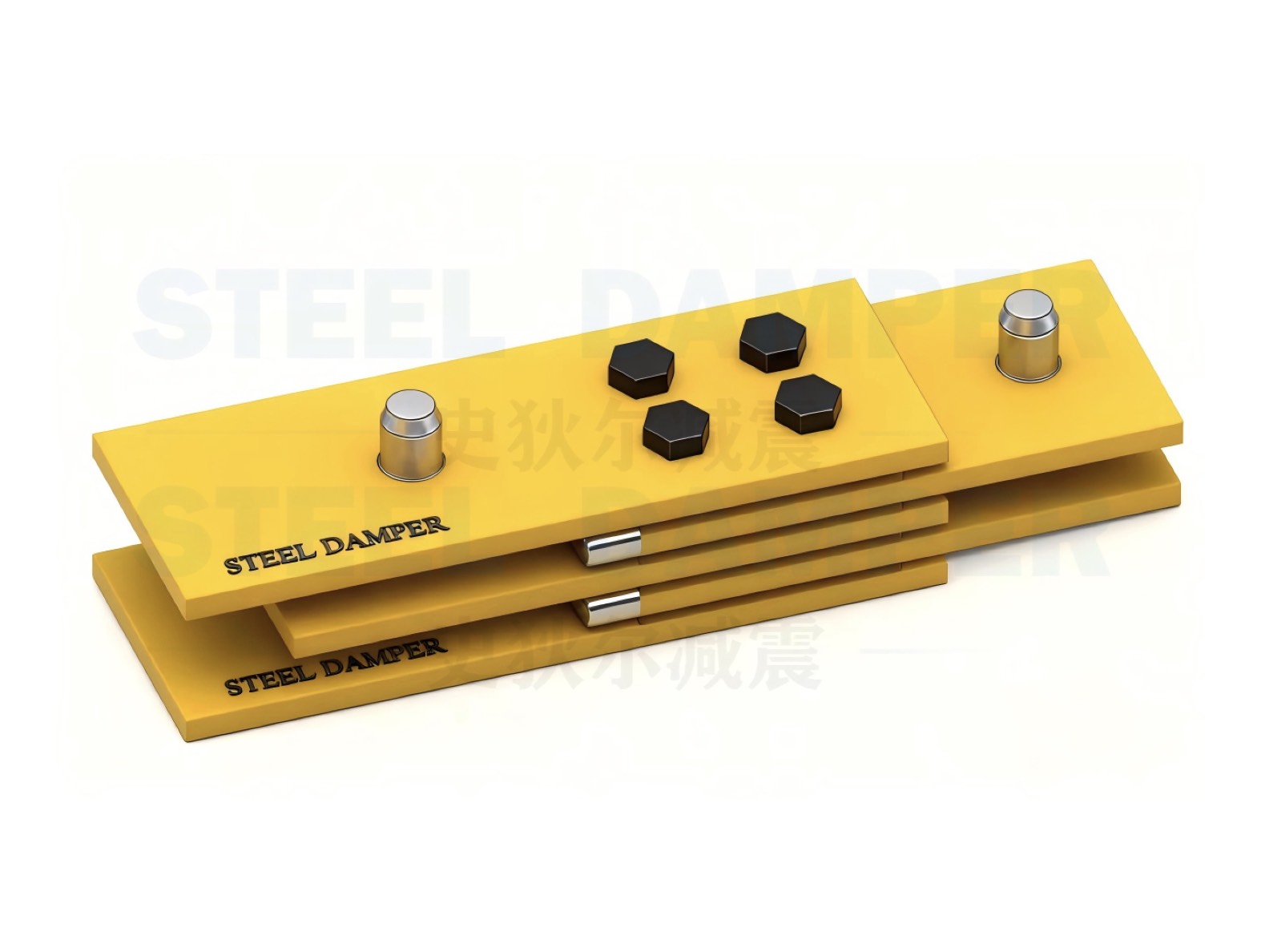
Multi-stage Friction Damper (MFD)
MFD provides staged friction energy dissipation for multi-level seismic demands, improving adaptability under different earthquake intensities.
Learn more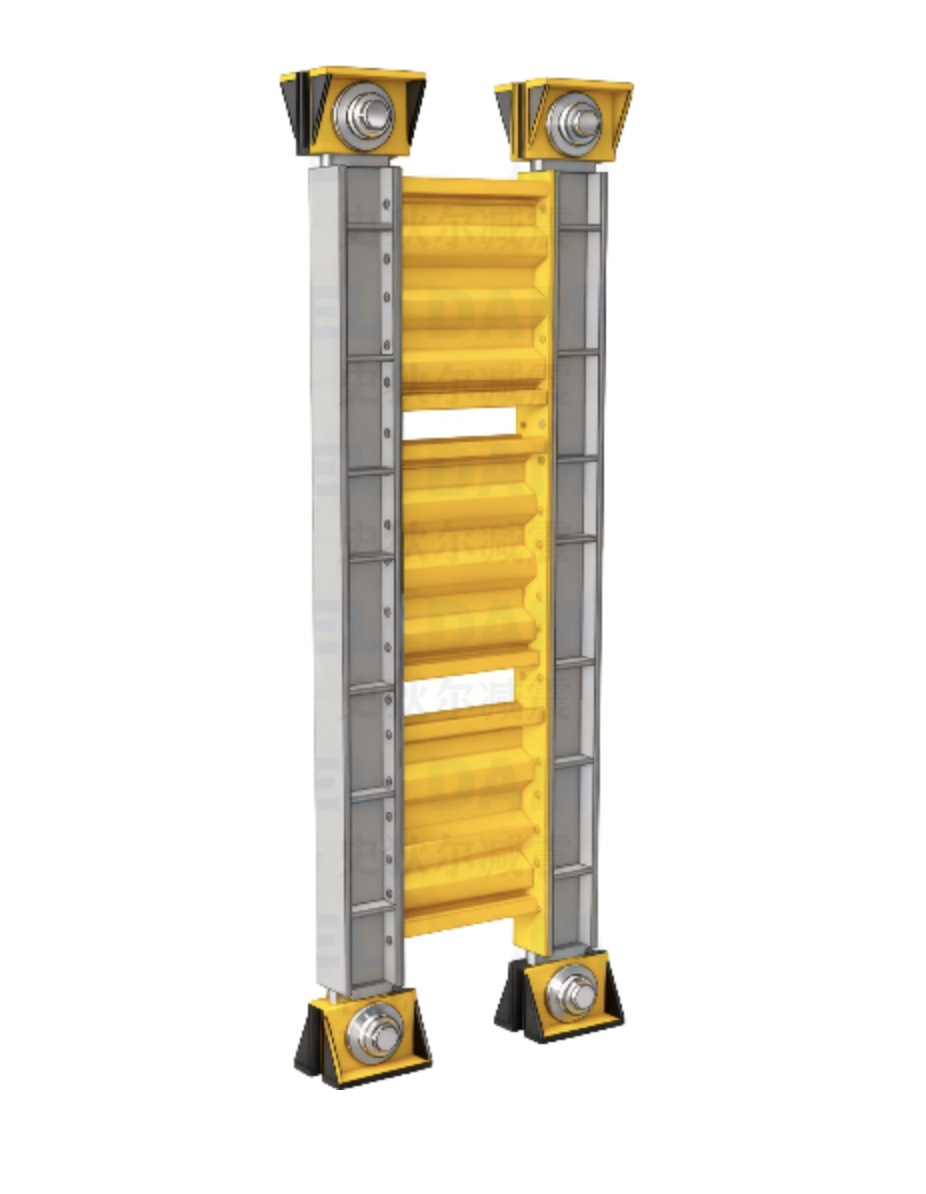
Load-bearing Energy-dissipation Dual-function Column (FDC)
FDC combines vertical load bearing with staged energy dissipation through rocking columns, mild-steel dampers, and rotational friction dampers.
Learn more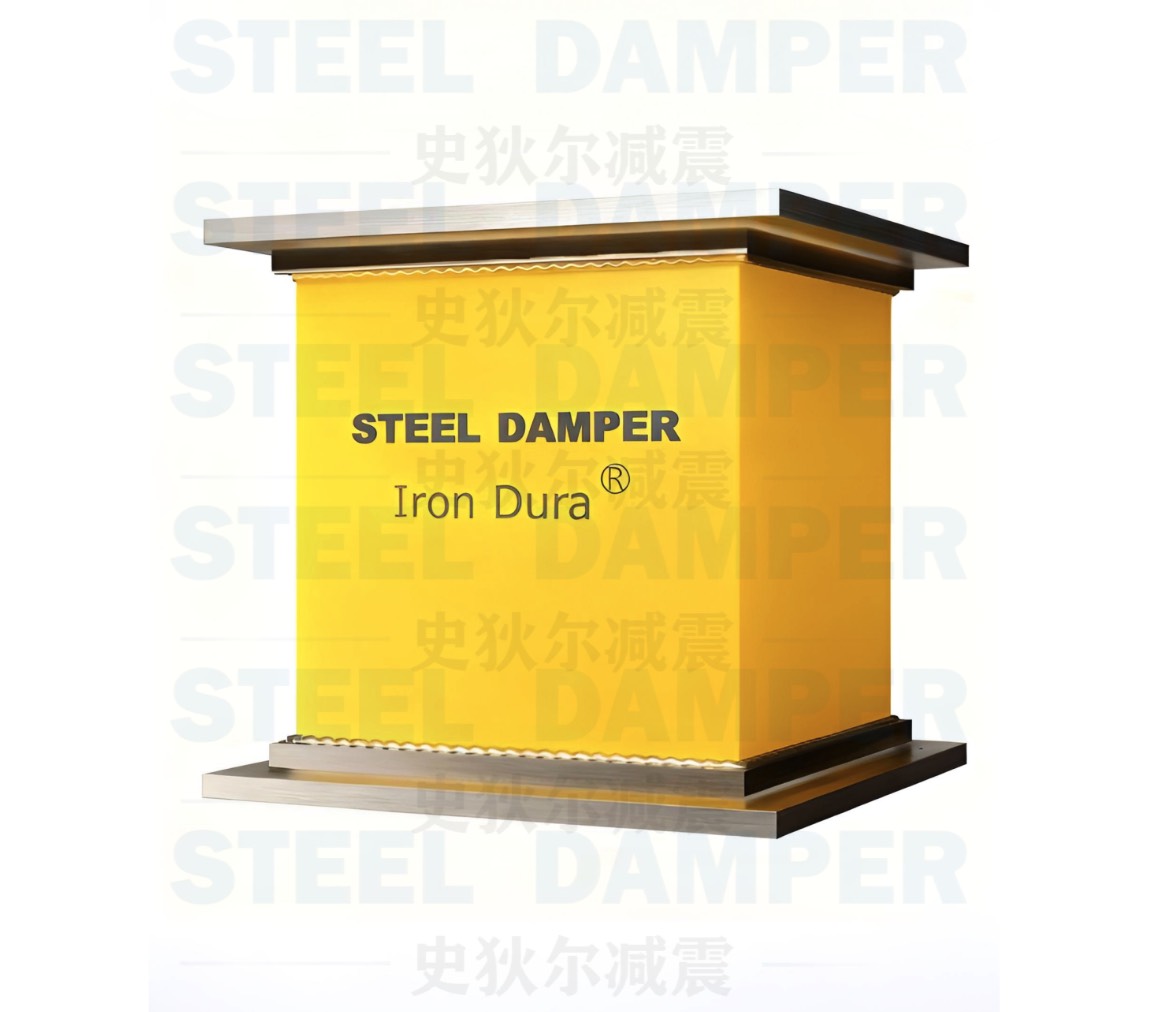
Shape Memory Alloy Damper (SMA)
SMA dampers use Fe-SMA materials with high strength, ductility, and low-cycle fatigue resistance for reliable seismic energy dissipation.
Learn more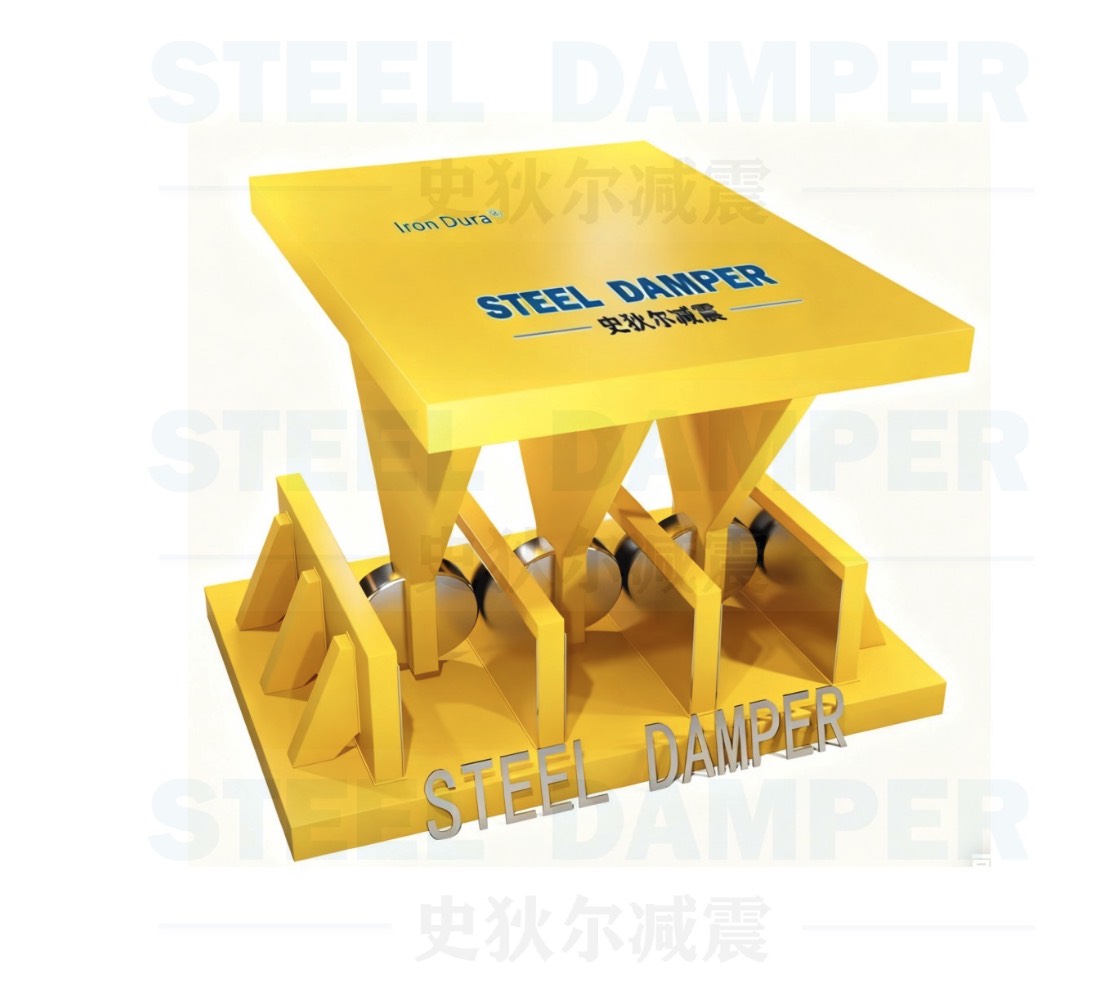
Triangular Plate Metal Yield Damper (MYD-T)
MYD-T uses uniform plastic deformation of triangular steel plates for bridge seismic protection and wind vibration control.
Learn more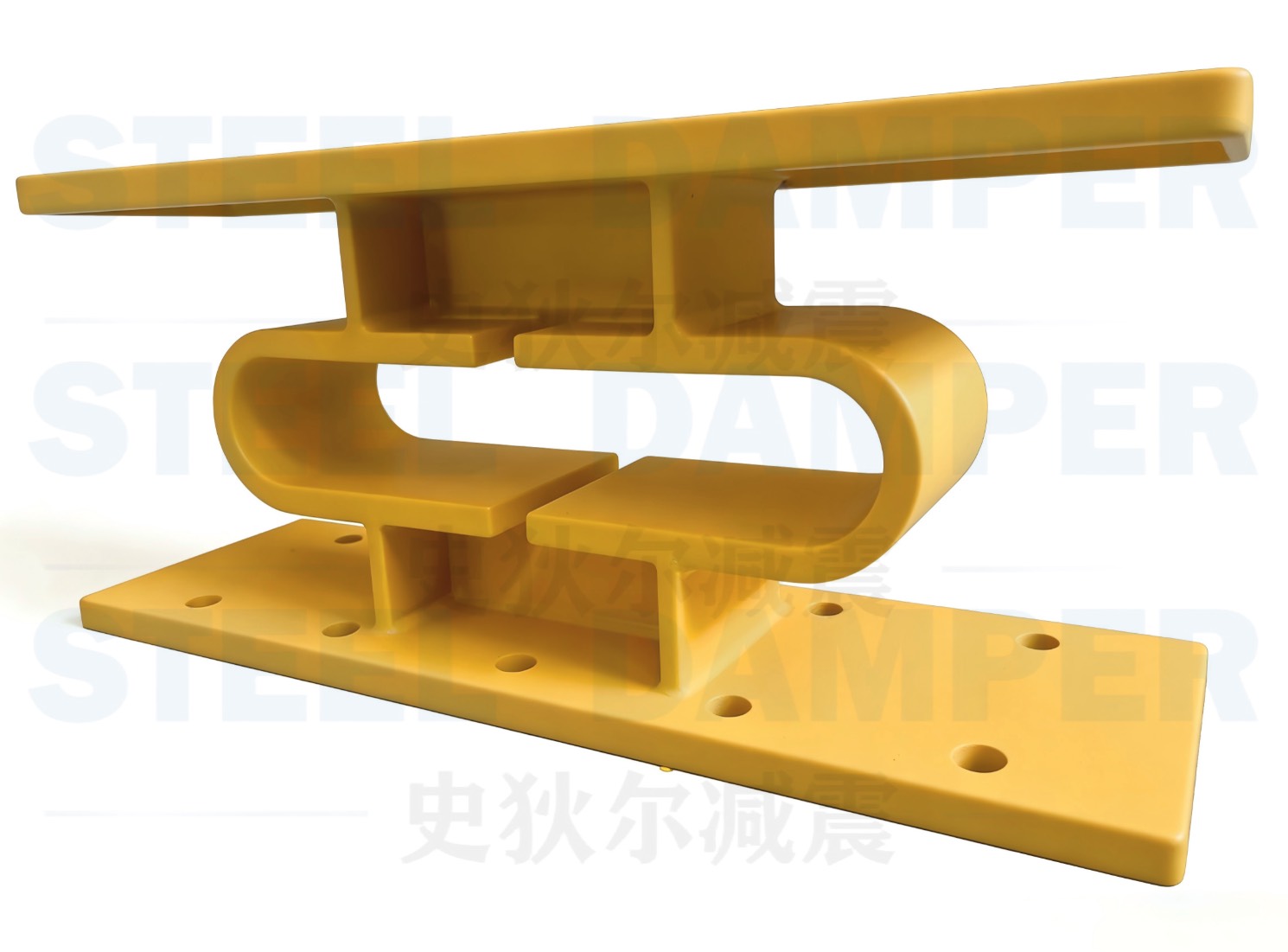
U-shaped Steel Metal Yield Damper (MYD-U)
MYD-U dissipates energy through plastic yielding of U-shaped steel, offering large deformation capacity and reliable low-cycle fatigue performance.
Learn more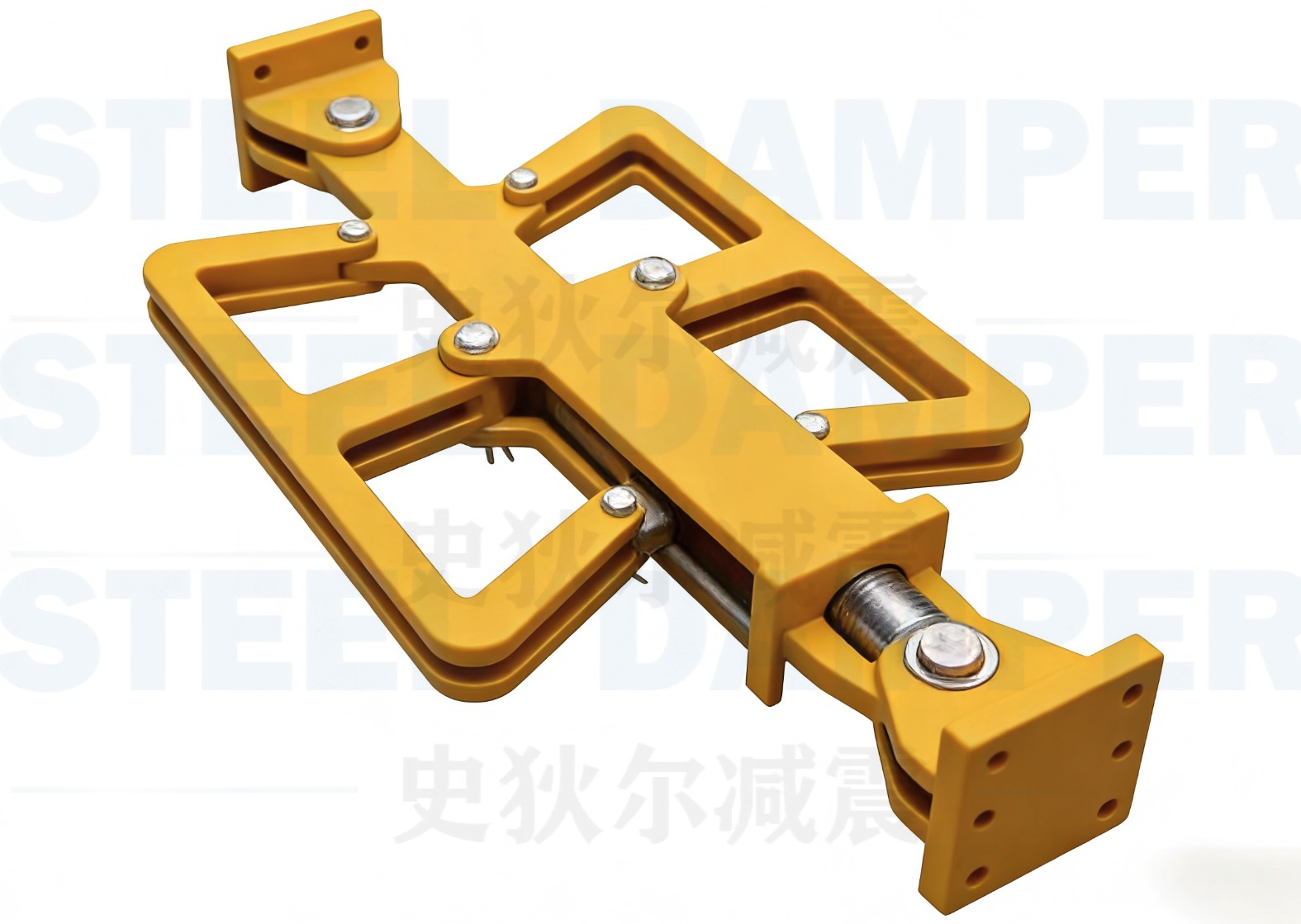
E-shaped Steel Metal Yield Damper (MYD-E)
MYD-E uses E-shaped steel elements to provide stable metal yielding and practical energy dissipation for structural seismic protection.
Learn more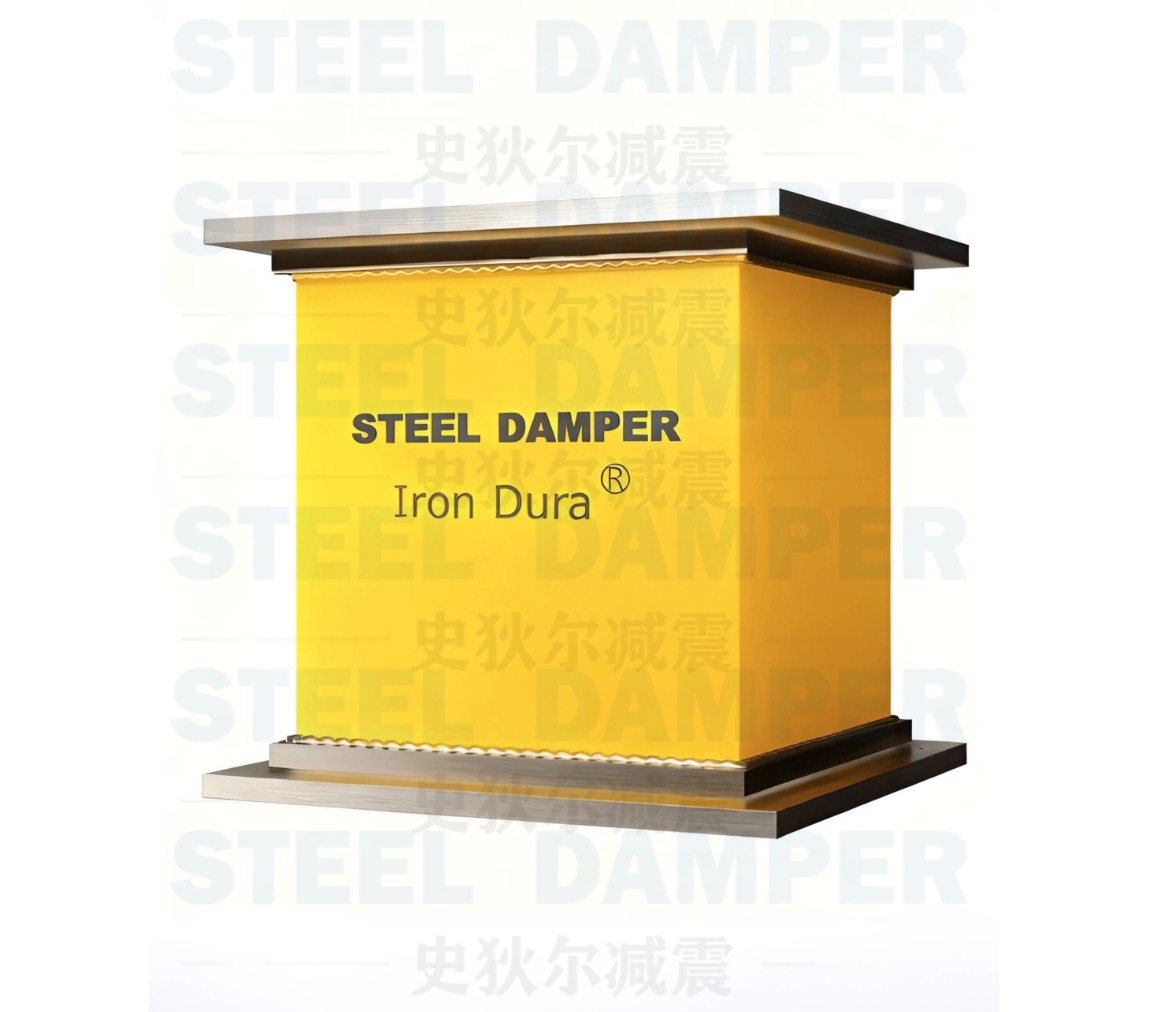
Dual-mechanism Staged Damper (DMSD)
DMSD combines friction and metal yielding mechanisms to deliver staged energy dissipation under different displacement demands.
Learn more