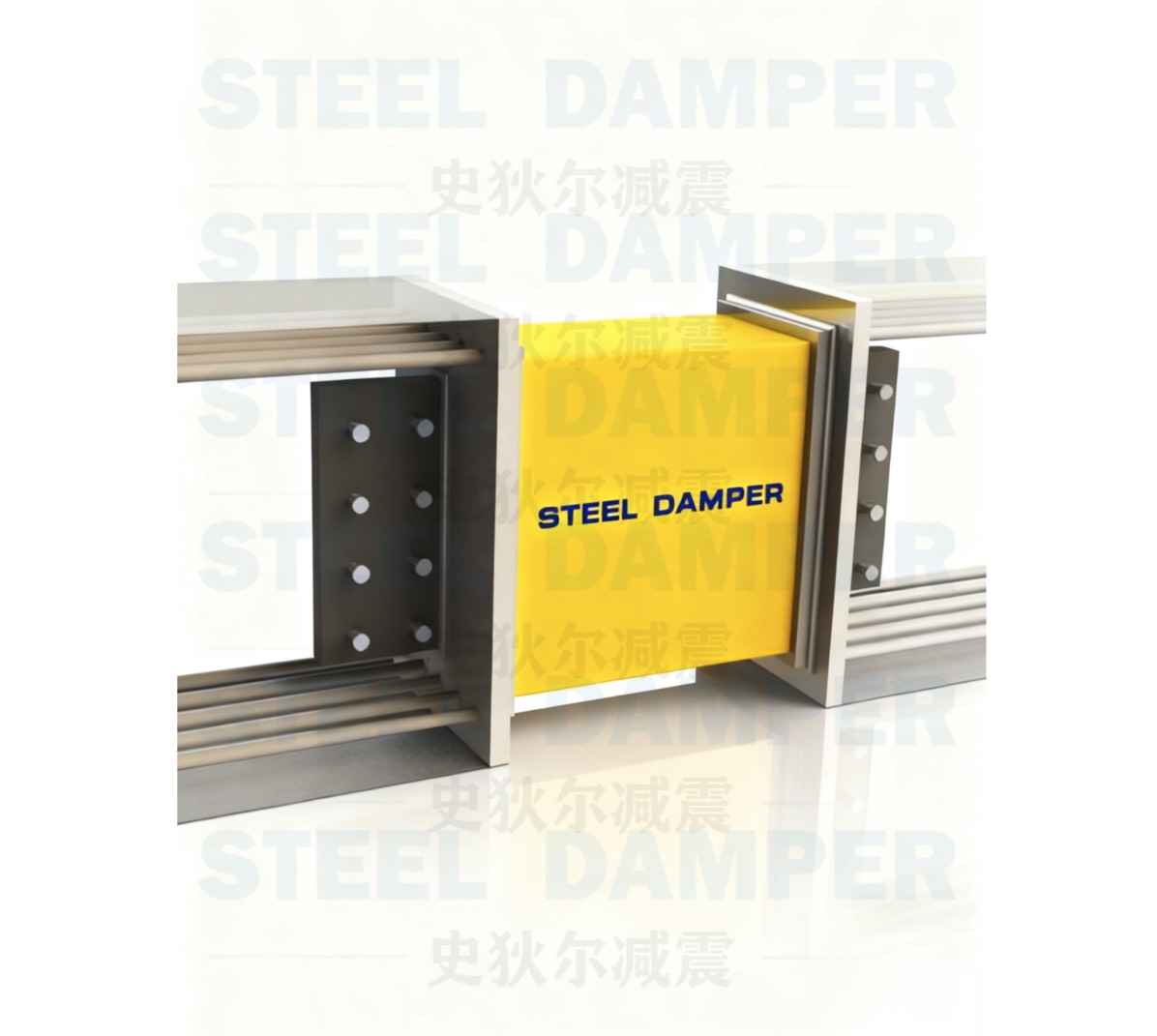
CBD Introduction
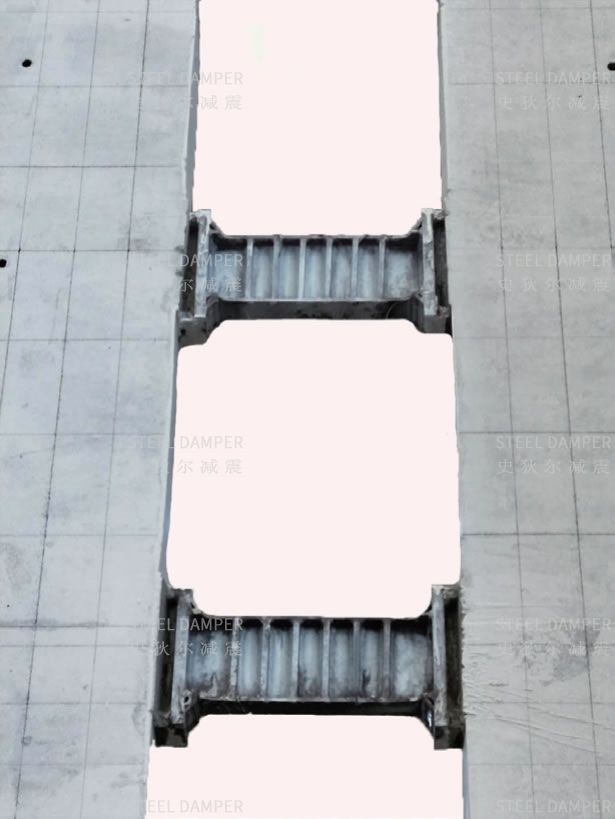
Installed at coupling beams to replace conventional reinforced-concrete coupling beams in coupled shear-wall systems. It greatly improves ductility and energy dissipation and can be designed as metal-yield or friction-type dampers.
CBD Introduction 2
CBD can be designed as bending-yield, shear-yield, combined bending-shear, plate-friction, or tube-friction forms. It features controllable yield capacity, easy replacement after earthquakes, no occupation of usable space, and good seismic performance.
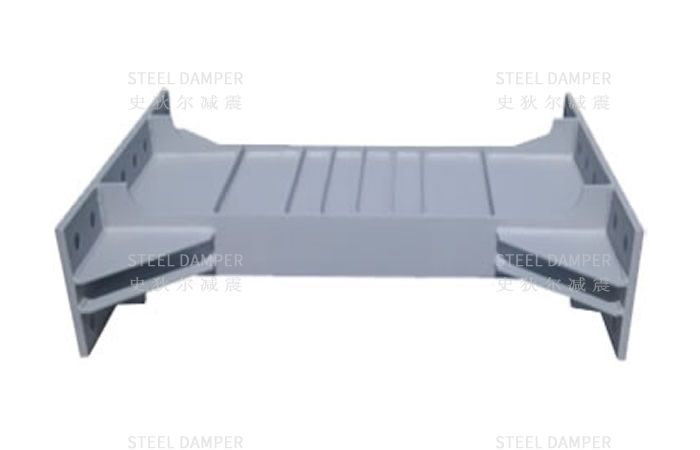
CBD Introduction 3
Multi-yield-point coupling-beam dampers are available for staged performance requirements.
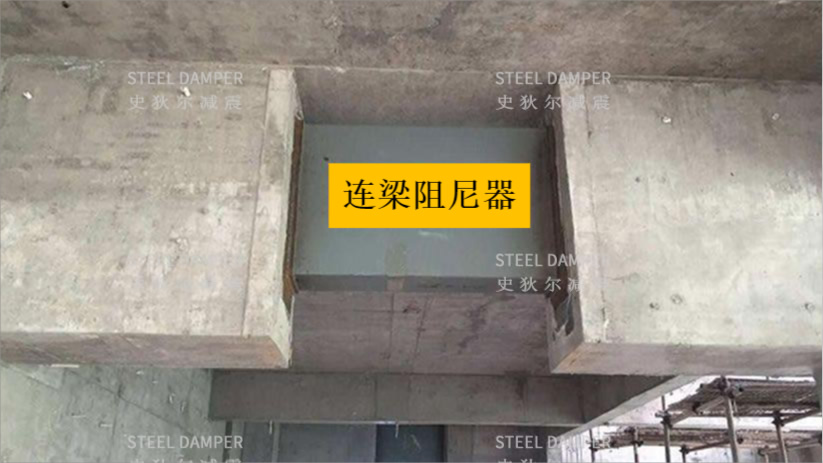
Connection Type
According to structural design requirements, CBD products can be configured with single yield points, double yield points, or multiple yield points.
Connection Type 2
Installed at coupling beams to replace conventional reinforced-concrete coupling beams in coupled shear-wall systems. It greatly improves ductility and energy dissipation and can be designed as metal-yield or friction-type dampers.
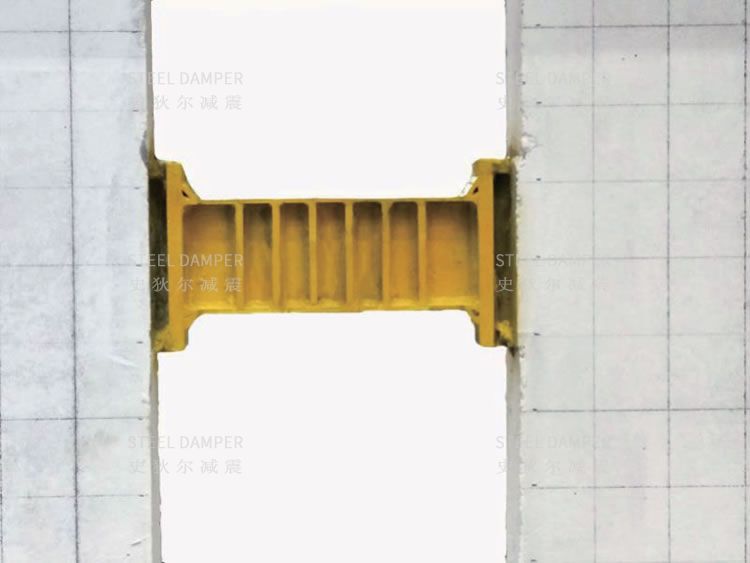
Connection Type 3
Installed at coupling beams to replace conventional reinforced-concrete coupling beams in coupled shear-wall systems. It greatly improves ductility and energy dissipation and can be designed as metal-yield or friction-type dampers.
Connection Type 4
Installed at coupling beams to replace conventional reinforced-concrete coupling beams in coupled shear-wall systems. It greatly improves ductility and energy dissipation and can be designed as metal-yield or friction-type dampers.
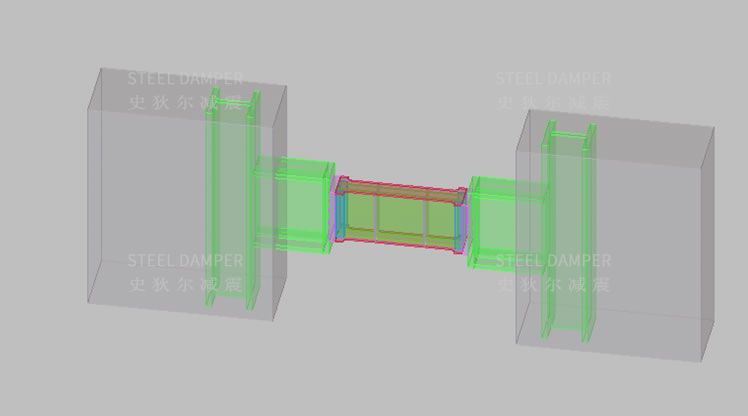
Connection Type Reference Images