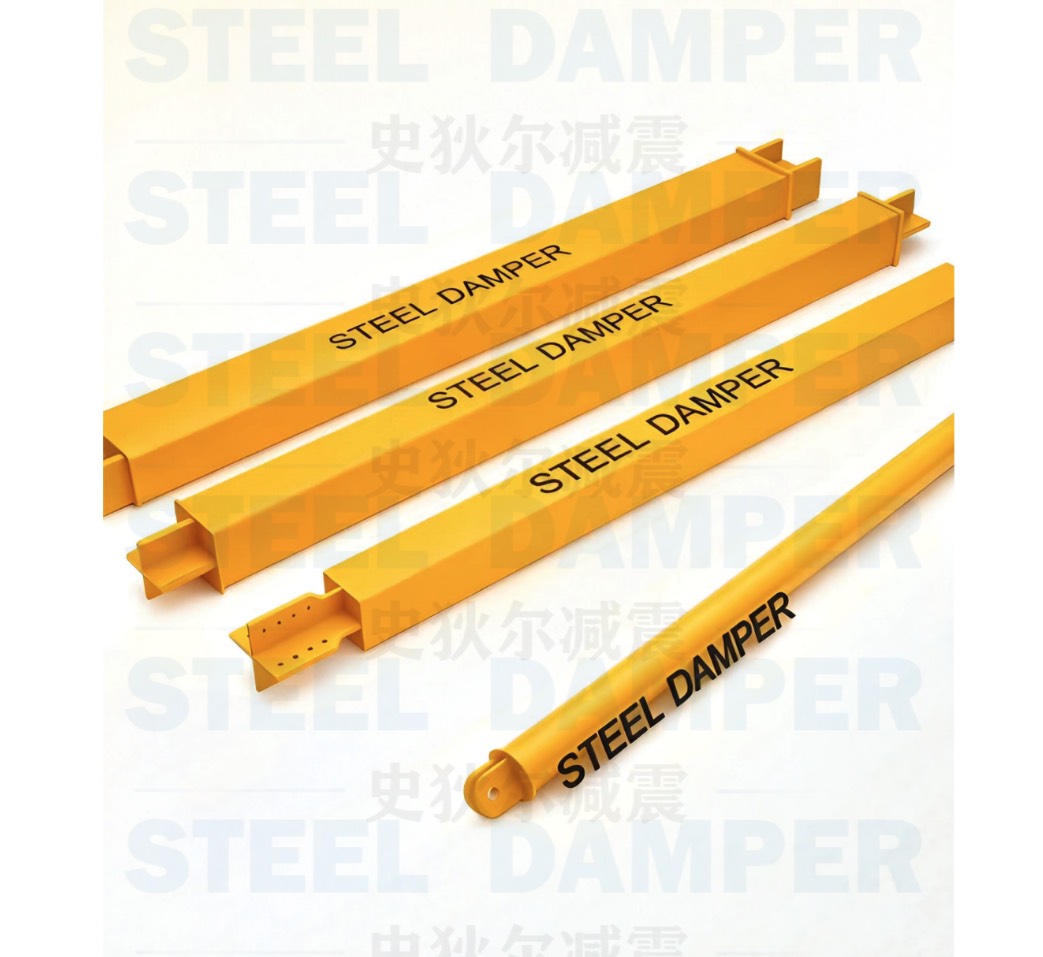
BRB Introduction
A brace and energy-dissipation damper combined in one seismic product. The restraining sleeve prevents compression buckling of the core plate so that the core can yield stably in both tension and compression, improving brace-frame performance under moderate and major earthquakes.
BRB Introduction 2
Ordinary braces buckle under compression and provide poor hysteretic performance under repeated loading. In a BRB, the load is carried by the core plate while the sleeve and filling material restrain buckling.
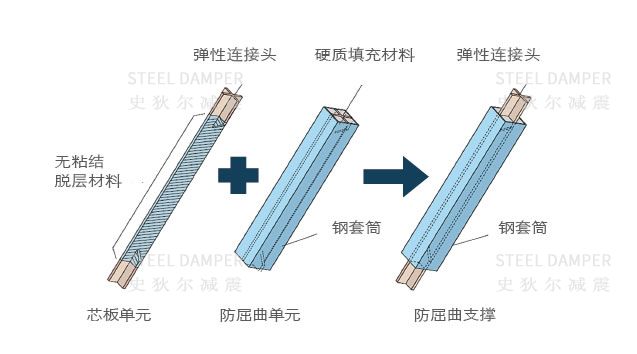
BRB Introduction 3
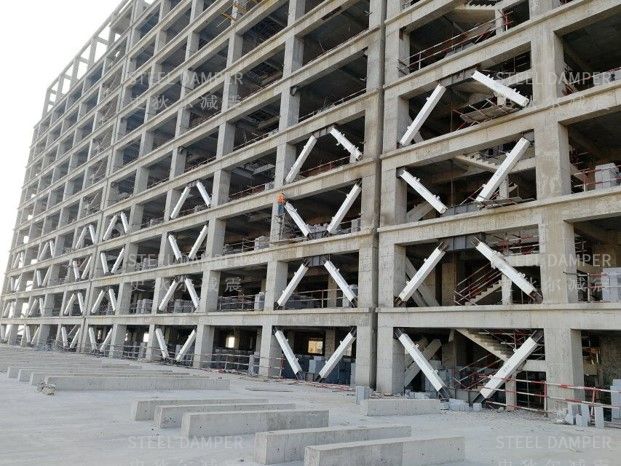
BRBs reduce the tension-compression capacity gap of ordinary braces and provide metal-damper energy dissipation while keeping the main structure largely elastic.
Connection Type
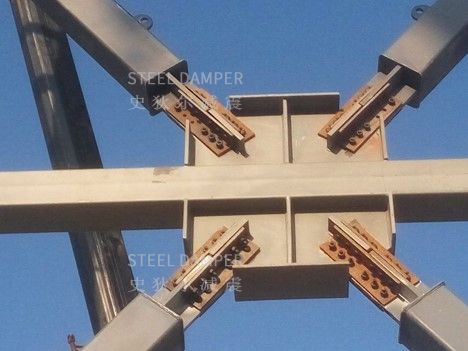
Bolted connection: pre-drilled holes at the brace ends and gusset plates are connected with high-strength bolts. It offers efficient installation and clean appearance, while installation angle tolerance must be controlled.
Connection Type 2
Welded connection: the brace is connected directly to gusset plates by butt welds. It offers high flexibility, adaptability, economy, and tolerance, while residual welding stress and welder quality must be considered.
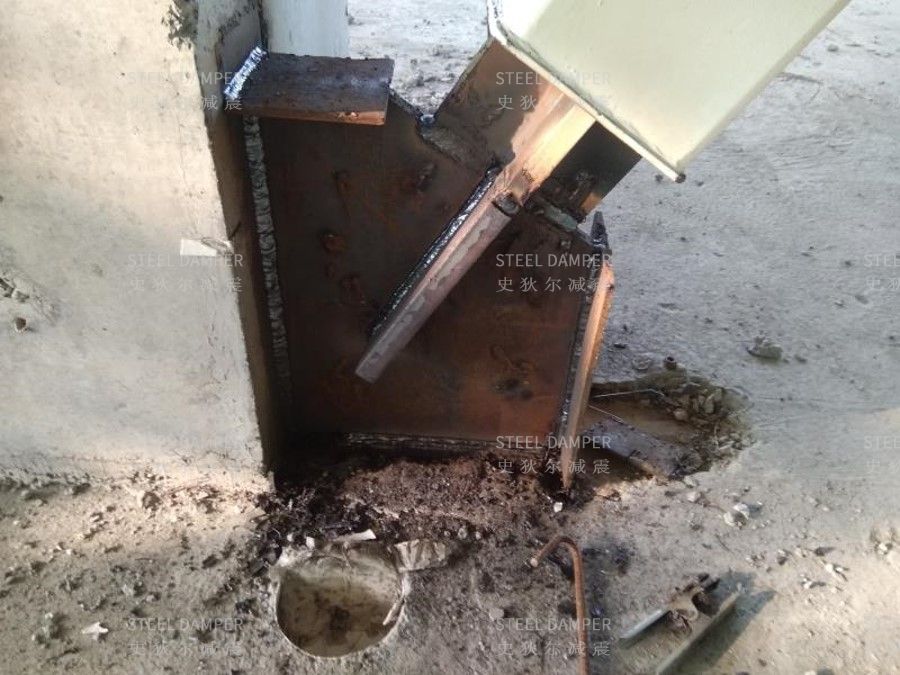
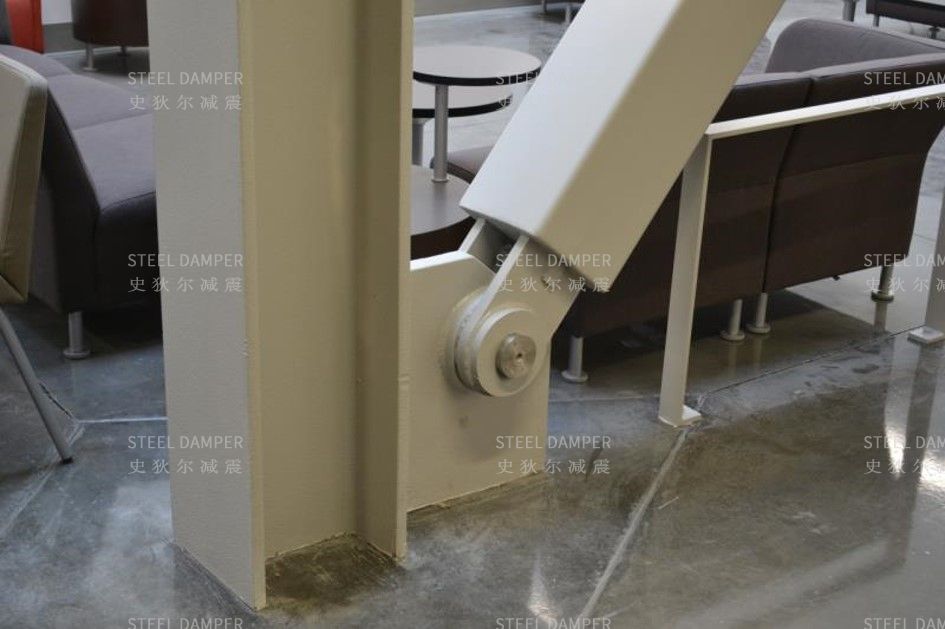
Connection Type 3
Pinned connection: round holes are prepared at the brace ends and gusset plates, with pins on both sides. It is efficient and neat, but costs more and requires higher precision.
Connection Type 4
Embedded parts include insertion-type embedded parts, opposite-pull embedded parts, and concrete retrofit connection nodes.

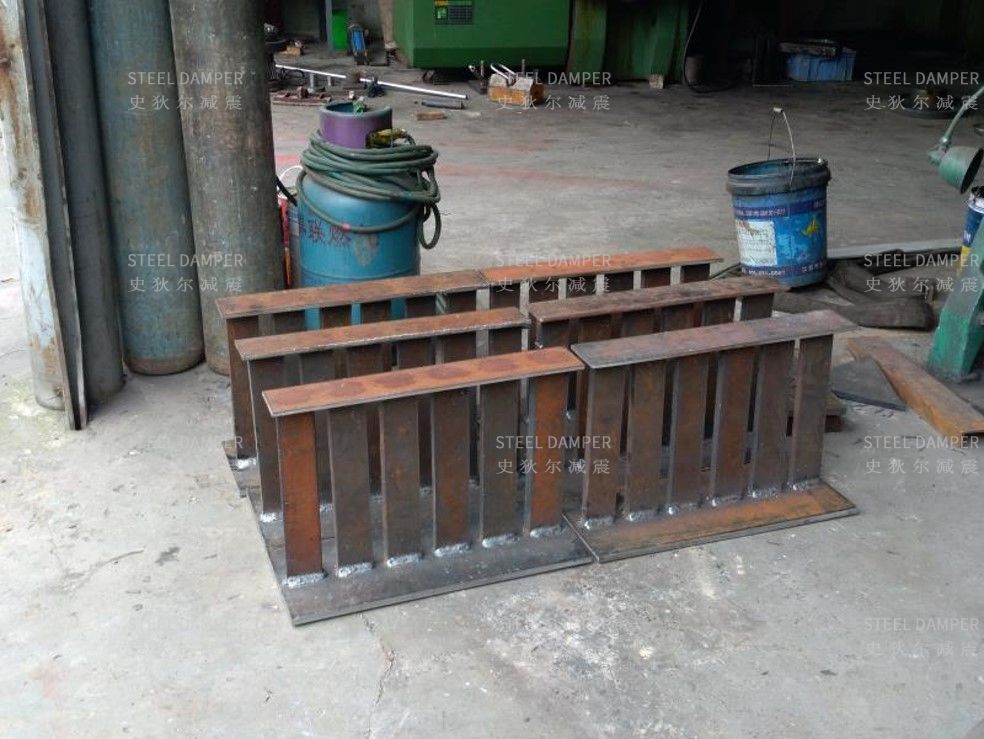
Connection Type 5
A brace and energy-dissipation damper combined in one seismic product. The restraining sleeve prevents compression buckling of the core plate so that the core can yield stably in both tension and compression, improving brace-frame performance under moderate and major earthquakes.
Connection Type 6
A brace and energy-dissipation damper combined in one seismic product. The restraining sleeve prevents compression buckling of the core plate so that the core can yield stably in both tension and compression, improving brace-frame performance under moderate and major earthquakes.
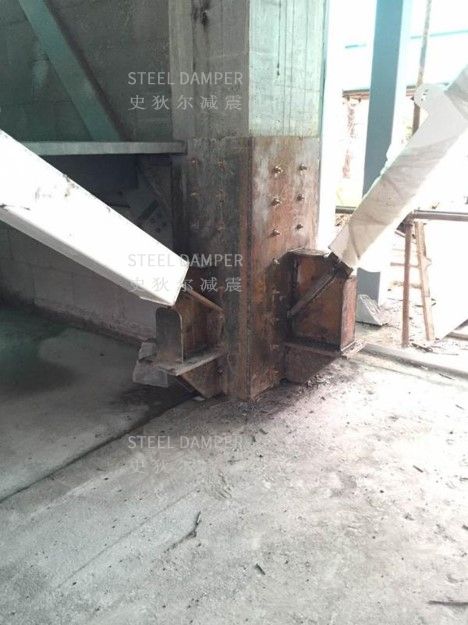
Connection Type Reference Images