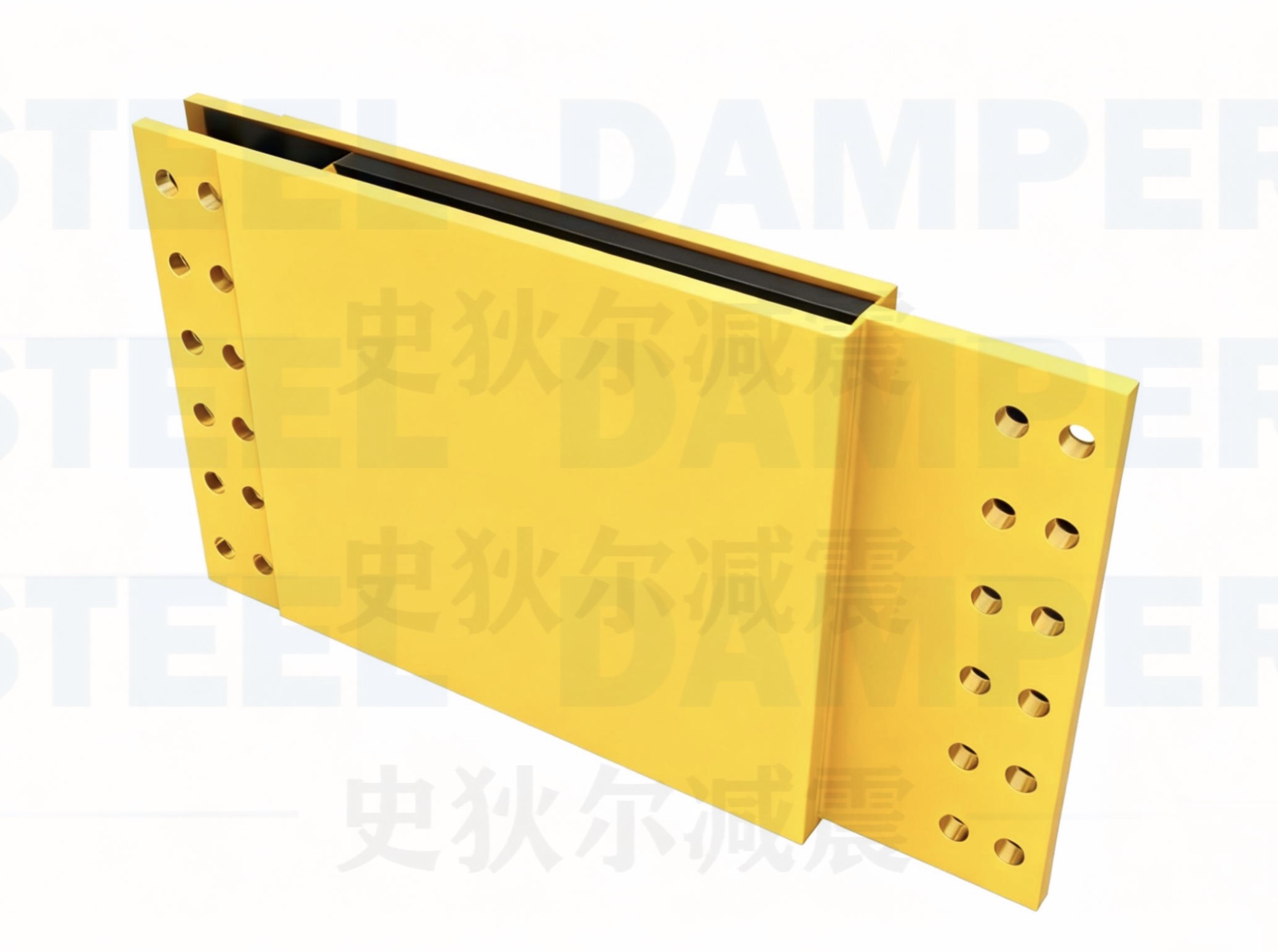
VED Introduction
A damper using viscoelastic material to absorb vibration energy. Steel plates and high-damping rubber are bonded reliably so structural deformation drives rubber shear and dissipates energy.
VED Introduction 2
VED uses no liquid and avoids leakage. It can dissipate small-amplitude wind vibration after reliable structural connection, and can satisfy large-deformation energy dissipation during earthquakes.
VED Introduction 3
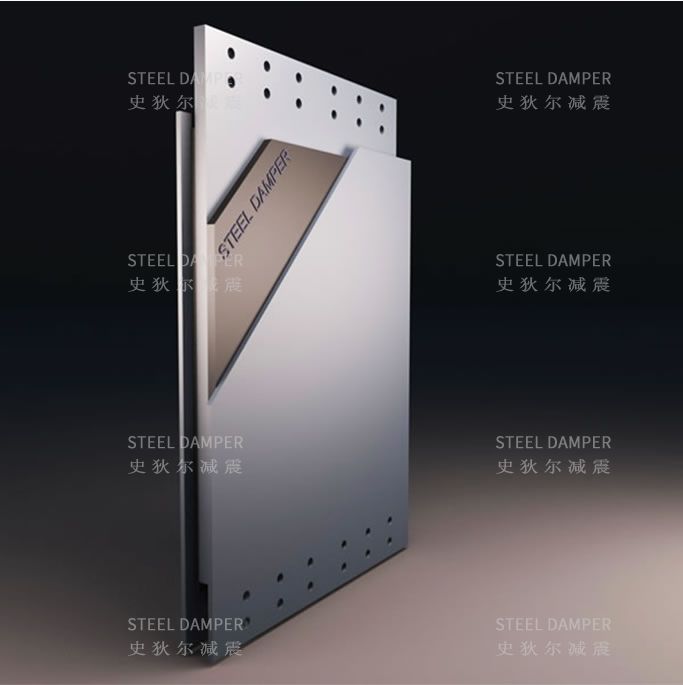
Common forms include wall-panel type, axial type, and rotational type. The product thickness is small and can integrate easily with building structures.
VED Introduction 4
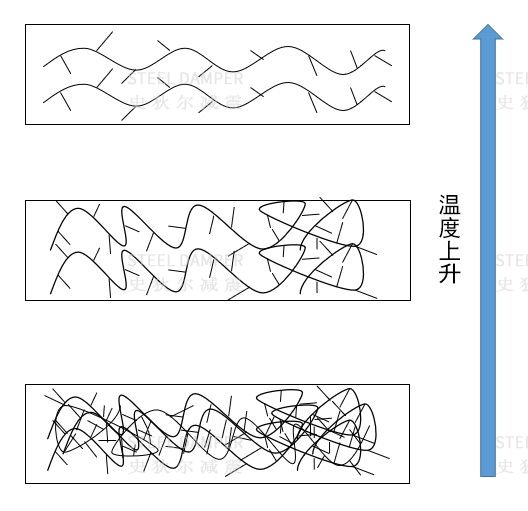
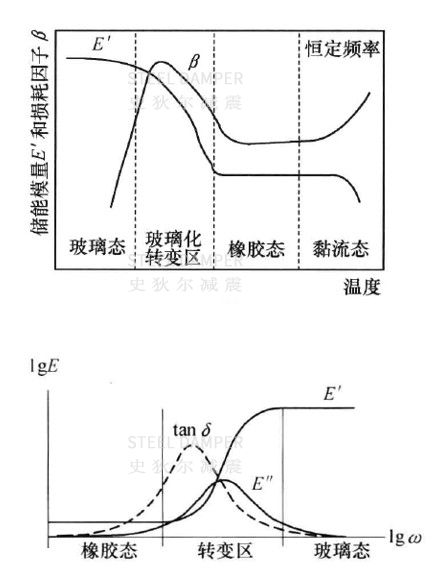
Viscoelastic material performance is sensitive to temperature and frequency, so the operating temperature range is selected carefully for stable damping performance.
Connection Type
Wall-panel type uses large steel plates and viscoelastic rubber vulcanized together, then connects to embedded structural components with bolts and welds.
Connection Type 2
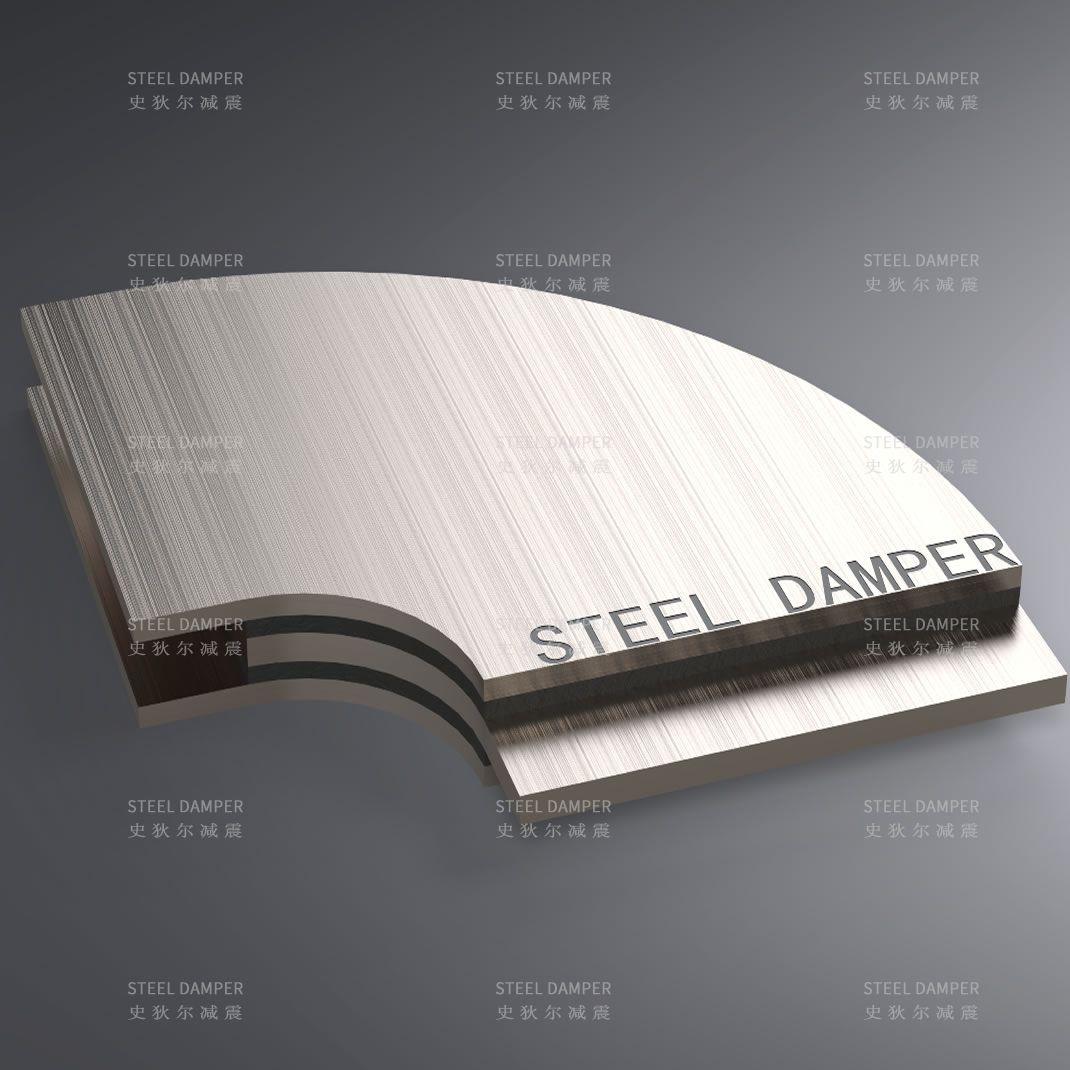
Rotational type uses sector steel plates and viscoelastic rubber at beam-column intersections to dissipate energy through angular deformation.
Connection Type 3
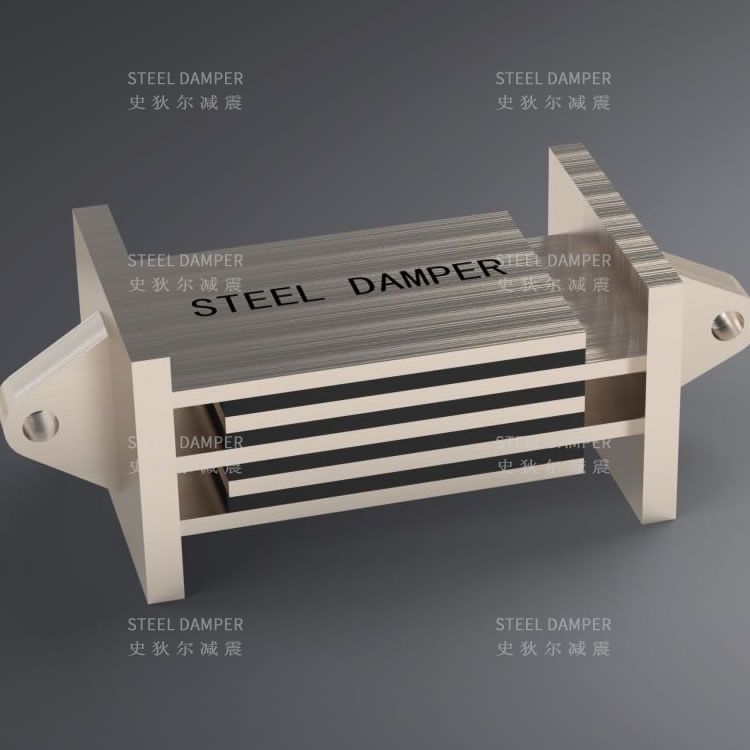
Axial type uses multiple steel and rubber layers, connected like a viscous damper through pins and ear plates.