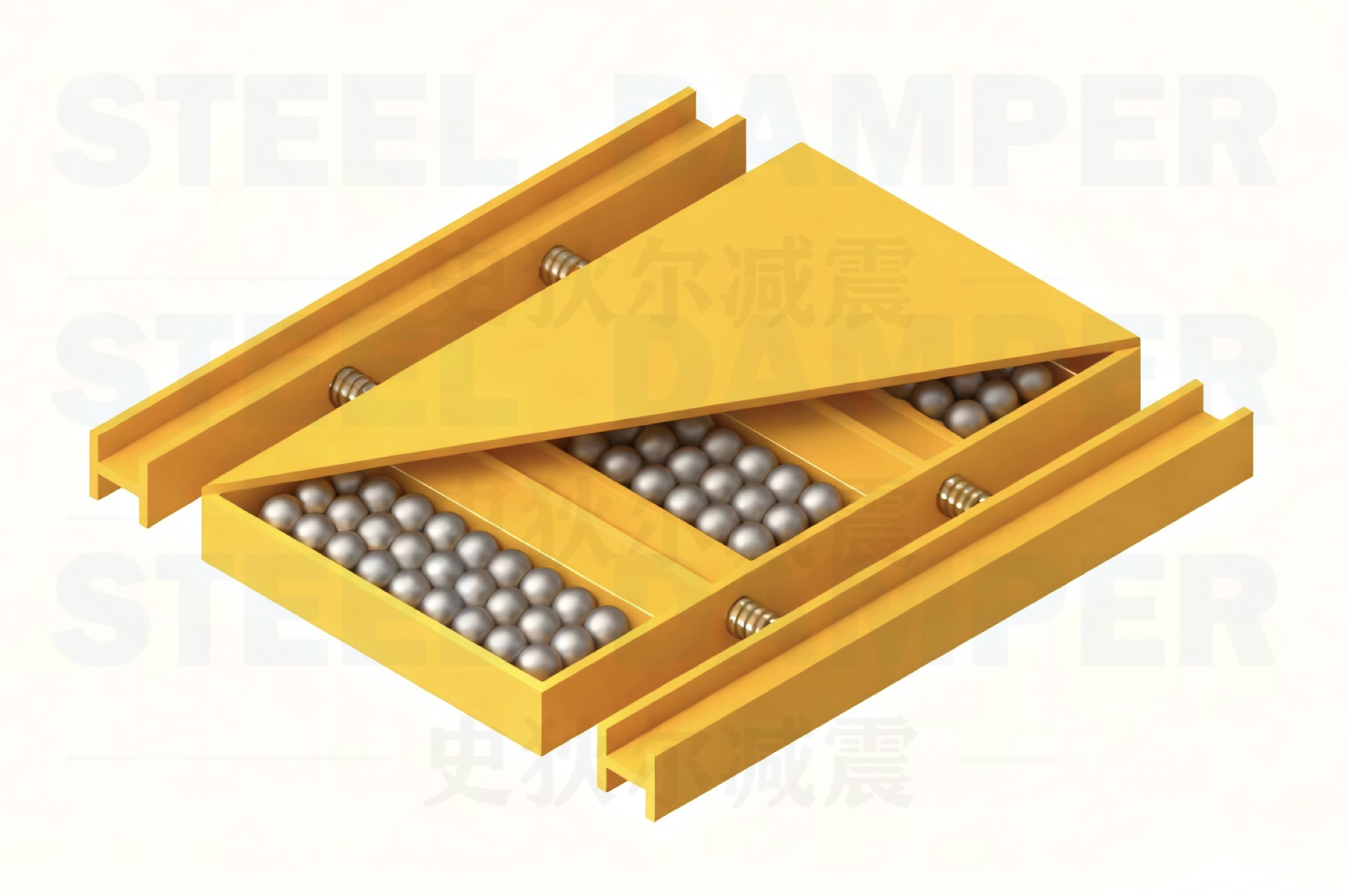
MPD Introduction
A damper that places metal or non-metal particles such as iron sand, lead particles, or steel balls into structural cavities or containers to control horizontal vibration.
MPD Introduction 2
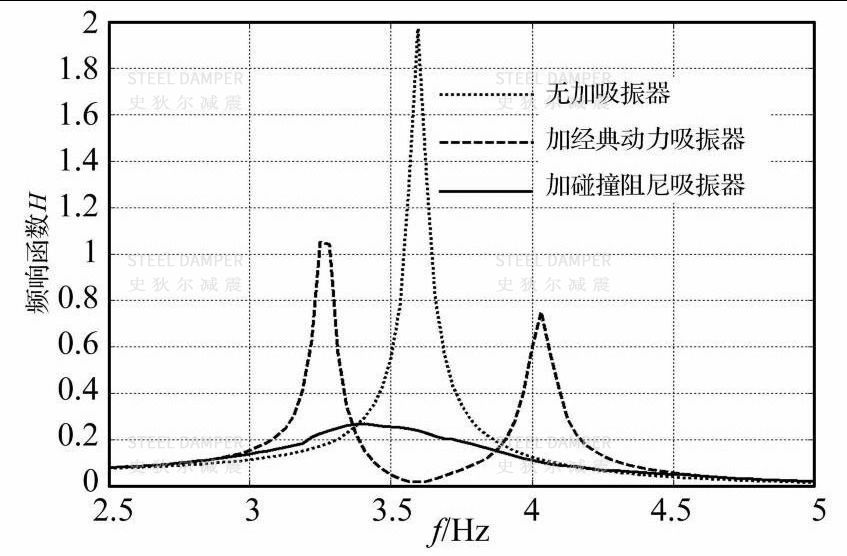
Compared with traditional dynamic vibration absorbers, MPD adapts to a wider frequency range because particle collision and impact are highly nonlinear. It is insensitive to temperature and highly durable.
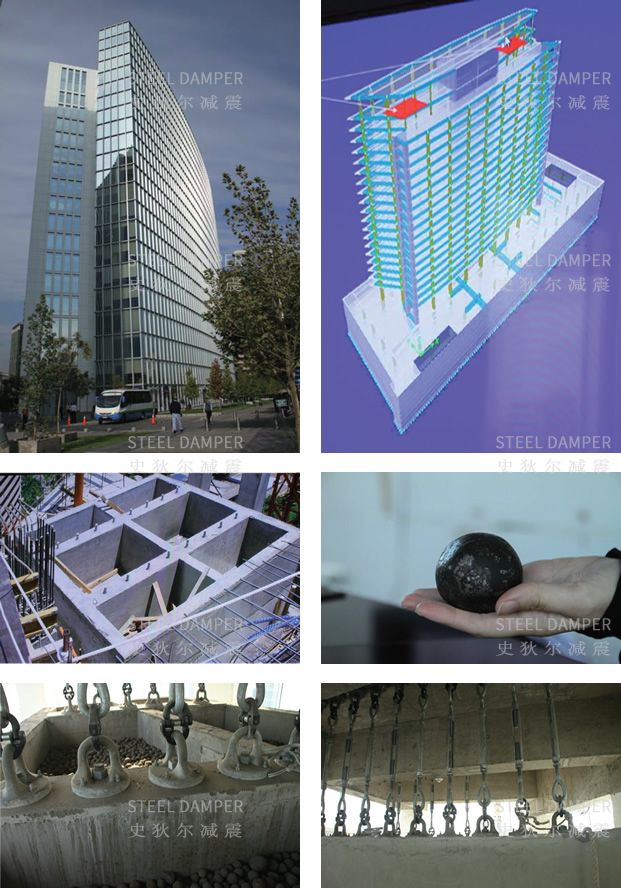
MPD Introduction 3
A damper that places metal or non-metal particles such as iron sand, lead particles, or steel balls into structural cavities or containers to control horizontal vibration.
MPD Introduction Reference Images

Working Principle
When the main structure vibrates under external excitation, particles collide and rub against the cavity and each other. Momentum exchange, friction, and impact dissipate vibration energy.
Applications
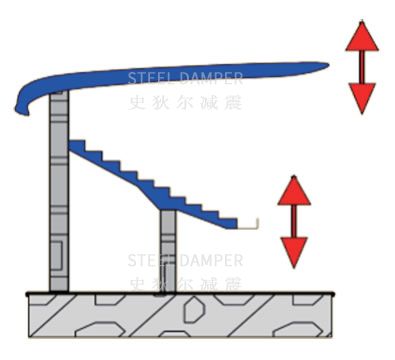
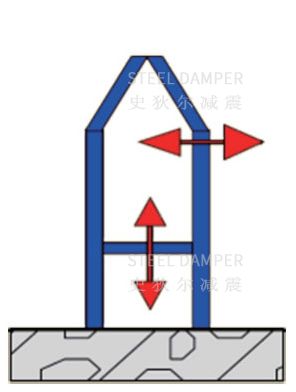
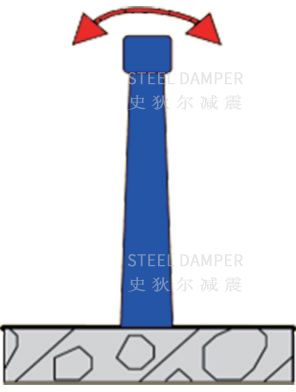
MPD is used for bridges, long-span structures, large cantilevers, and high-rise or tall structures where comfort, wind vibration, and seismic response need control.
Applications 2
A damper that places metal or non-metal particles such as iron sand, lead particles, or steel balls into structural cavities or containers to control horizontal vibration.
Applications 3
A damper that places metal or non-metal particles such as iron sand, lead particles, or steel balls into structural cavities or containers to control horizontal vibration.
Applications 4
A damper that places metal or non-metal particles such as iron sand, lead particles, or steel balls into structural cavities or containers to control horizontal vibration.
Applications Reference Images

Connection Type
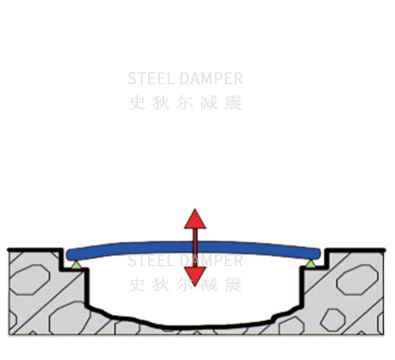
Particle containers can be fixed directly at locations with larger structural vibration. Particles can also be distributed in structural cavities, partitions, stair slabs, roof insulation layers, equipment floors, box girders, towers, or hollow piers.
Connection Type 2
MPD can also use a TMD-like connection form, concentrating vibration energy into a tuned mass with particle collision and friction for energy dissipation.