Isolation Principle
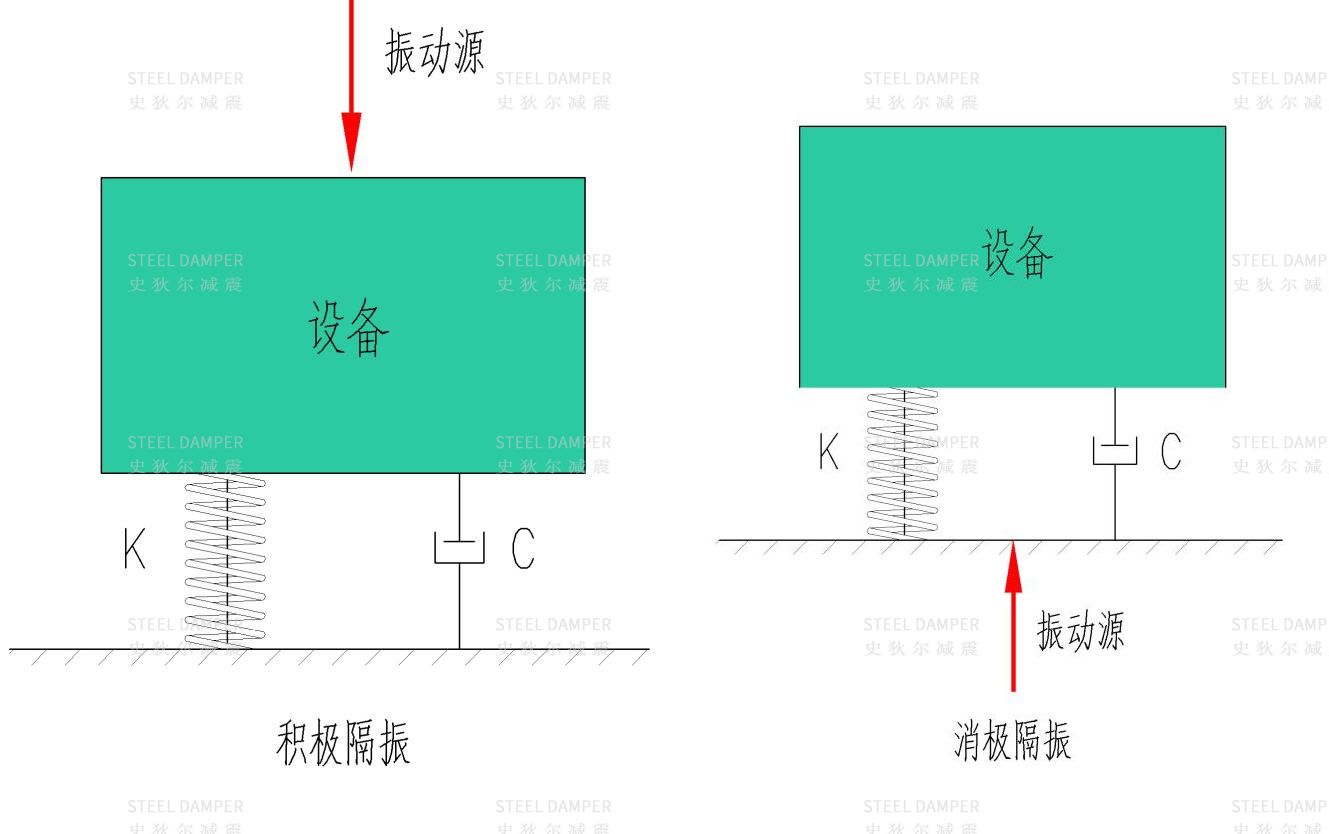
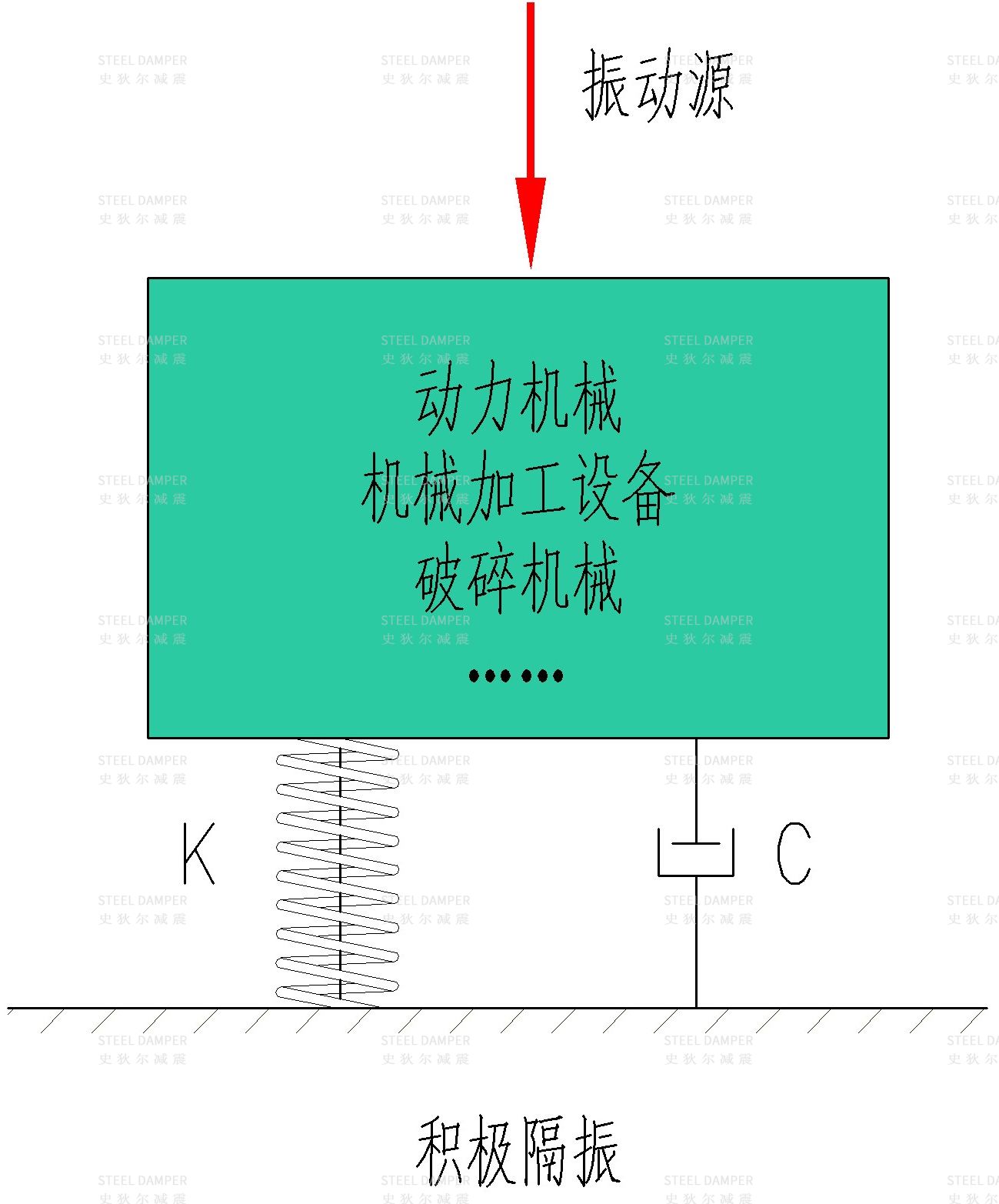
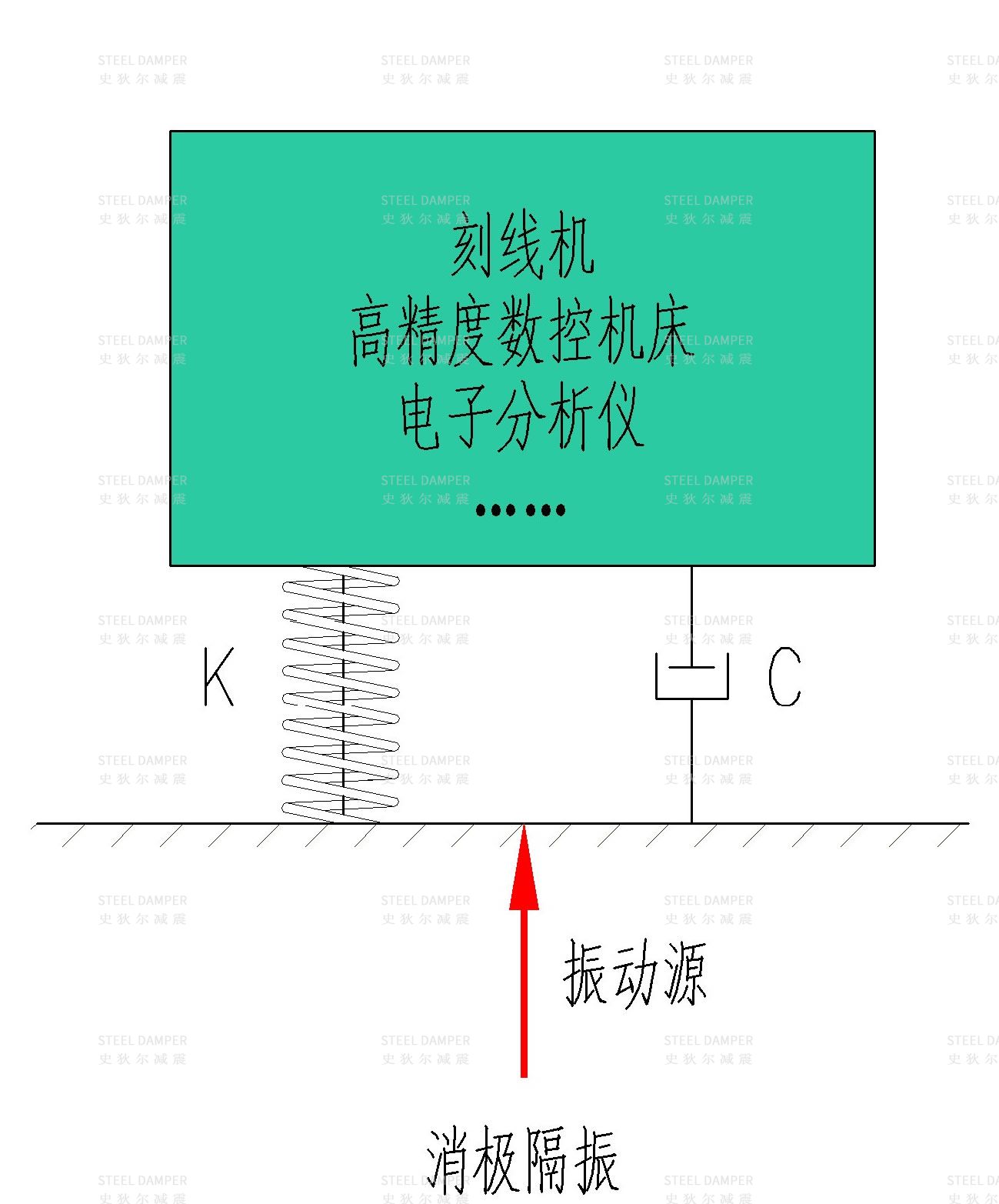
Equipment isolation includes active isolation, which reduces forces transmitted from equipment to the foundation, and passive isolation, which reduces disturbance transmitted from the foundation to protected equipment.
Isolation Principle 2
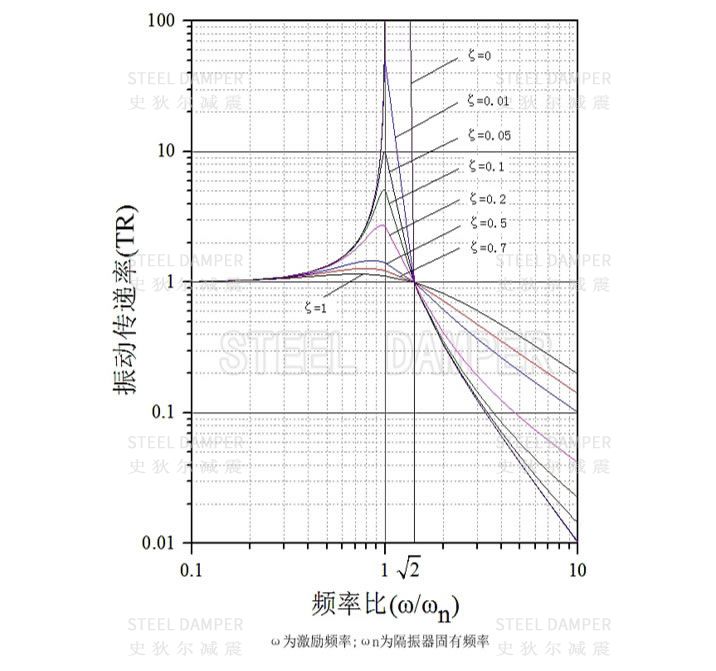
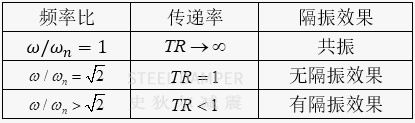
Isolation performance is evaluated by transmissibility, the ratio between transmitted force and excitation force.
Isolation Principle 3
A vibration isolation solution that inserts elastic devices between vibration sources and foundations, or between foundations and protected instruments, to reduce vibration transmission.
Isolation Principle 4
A vibration isolation solution that inserts elastic devices between vibration sources and foundations, or between foundations and protected instruments, to reduce vibration transmission.
Isolation Principle 5
A vibration isolation solution that inserts elastic devices between vibration sources and foundations, or between foundations and protected instruments, to reduce vibration transmission.
Isolation Principle Reference Images
Application Scope
This solution is suitable for projects that require vibration comfort, wind vibration control, seismic response reduction, or equipment vibration isolation.
Application Scope 2
A vibration isolation solution that inserts elastic devices between vibration sources and foundations, or between foundations and protected instruments, to reduce vibration transmission.
Application Scope Reference Images
Work Process
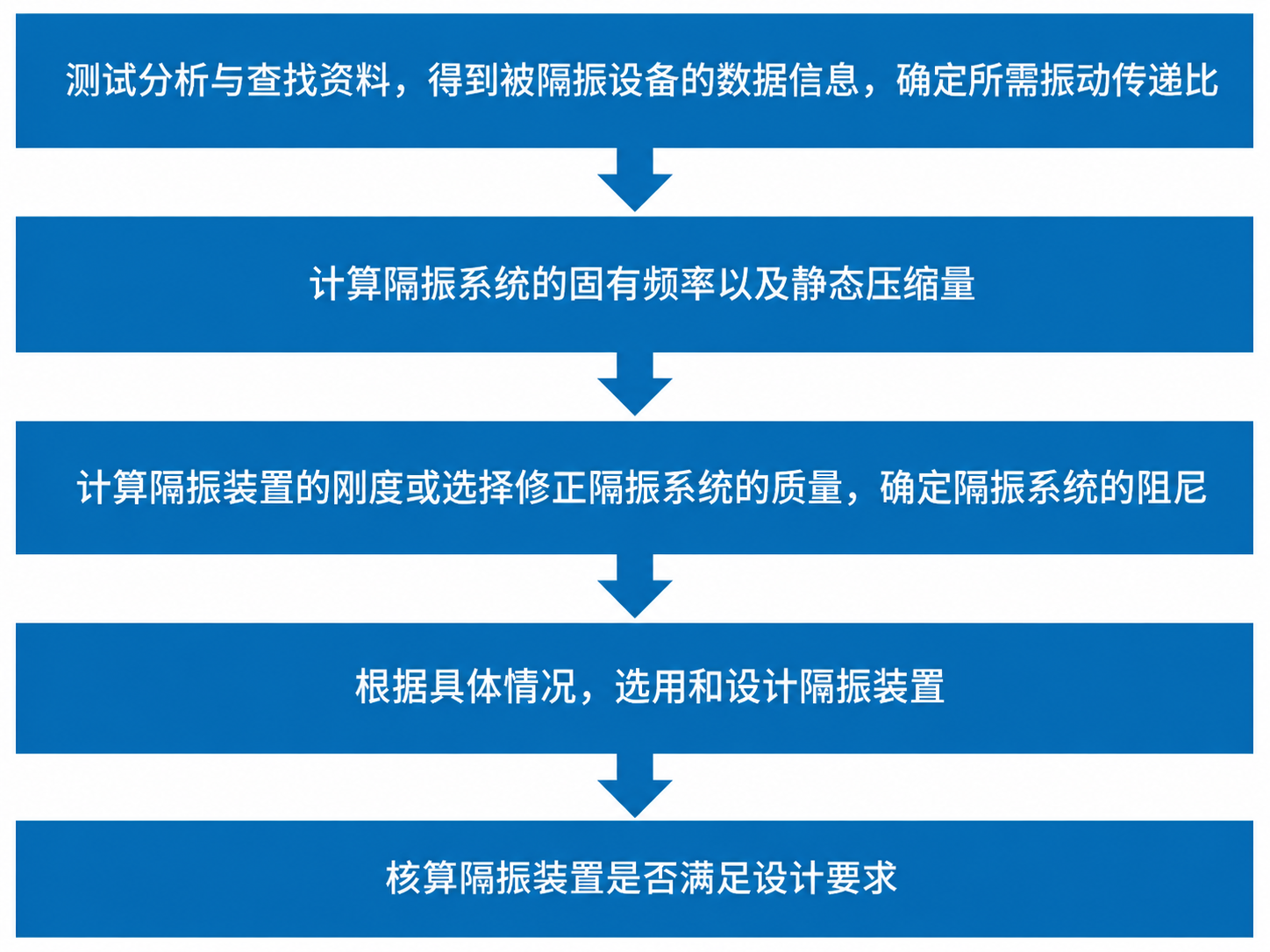
The workflow includes testing and data collection, obtaining equipment dimensions, mass, center of gravity, rotational inertia, excitation magnitude, direction, frequency, and location, then determining the required transmissibility.
Work Process 2
The isolation system natural frequency, static compression, stiffness, system mass, and damping are calculated, followed by selection or design of isolators that satisfy bearing, frequency, and installation requirements.
Work Process 3
The final design is checked to ensure the isolation target is met.